Resort skiing and backcountry skiing are both amazing. I do both, I love both, and I have no intention of giving either up. But if you told me I could only choose one for the rest of my life, it would be resort skiing. One hundred percent. Not even a question. There’s always been this weird tension between the two. It reminds me of fishing. You’ve got fly fishermen tying their own flies, talking about the purity of the experience and becoming one with the river. Then you’ve got some dude with a spinning rod who just wants to catch a fish.
Neither is wrong. But sometimes the conversation turns into a competition over who’s doing it the most authentically, instead of who’s actually having a good time. Skiing has its own version of that bullshit. Apparently your turns gain spiritual value if you carried an ice axe and sweated for three hours before making them. Meanwhile, I’m on my sixth chairlift wondering if there’s time for another lap before lunch.
I understand why people love earning their turns. I love it too. But most days, I’d rather spend more time making them. Here’s how resort skiing and backcountry skiing stack up for me.
Table of Contents
1. Resort Skiing Gives Me More of What I Came For
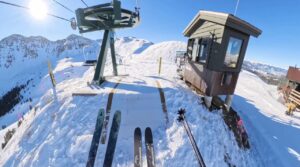
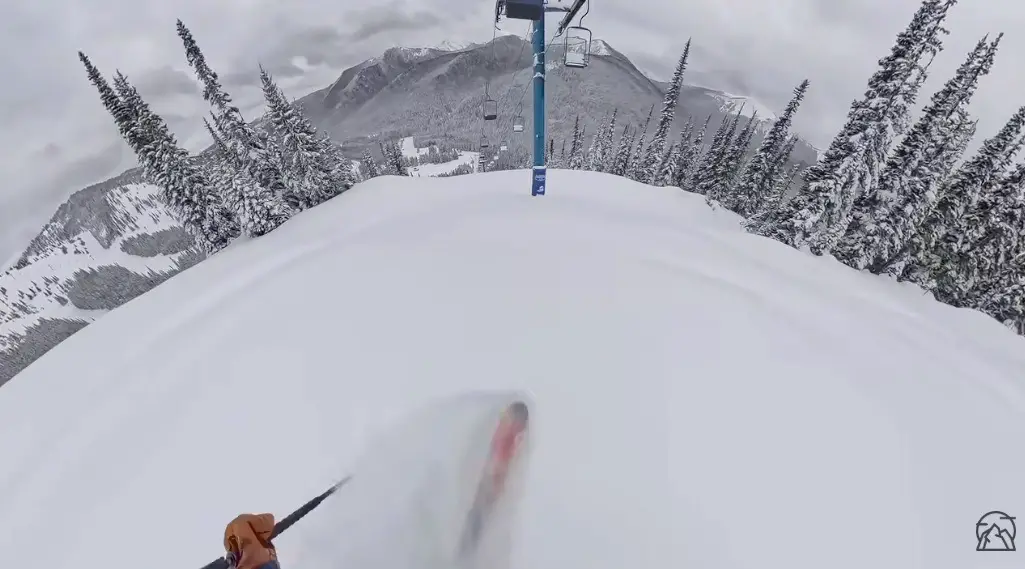
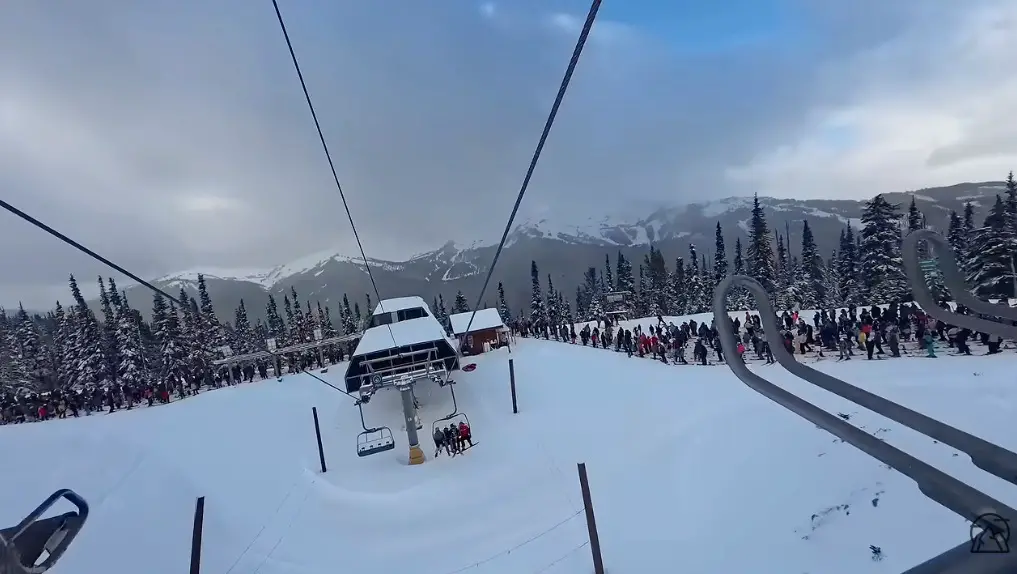
The biggest reason I prefer resort skiing is also the most obvious: I ski more. A chairlift is a ridiculously efficient machine. It carries me uphill while I sit down, recover and figure out what I want to ski next. Then I get off and do the fun part again. Repeat until my legs are cooked or somebody shuts the mountain down.
A touring day works differently. You spend time skinning, navigating, transitioning and sometimes bootpacking before you get your descent. Depending on the route, one long run can be the whole objective. That run might be incredible, but a big chunk of the day is spent travelling uphill.
There’s nothing wrong with enjoying the climb. Sometimes that’s exactly what I want. But if I’m judging the day by how much downhill skiing I get to do, the chairlift wins by a mile. I don’t need every turn to come with an origin story. Sometimes I just want another lap.
2. More Laps Mean More Chances to Improve
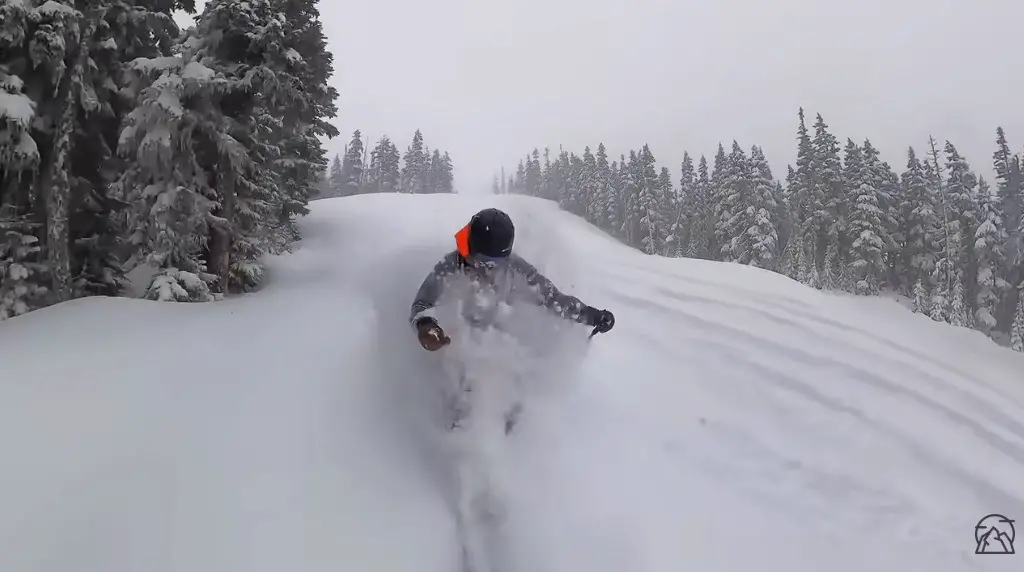
If I’m trying to work on my skiing, repetition helps. I can ski a run, think about what felt good or terrible, and go straight back to try it again. I can practise short turns, work on bumps or repeat a section until I start figuring it out.
That’s harder to do when another attempt involves putting my skins back on and climbing for an hour. Touring teaches important skills of its own, including route finding, pacing and decision-making. But for practising downhill technique, resorts give me more opportunities in less time.
More runs don’t automatically make you better. You can repeat the same bad habit all afternoon. Still, having the chance to practise deliberately, get feedback and try again is a huge advantage.
I also like that I can separate progression from a big mountain objective. I don’t need to make a day more serious to make it useful. Sometimes skiing a familiar run more smoothly is a better achievement than surviving something bigger.
3. Groomers Are Fun, and I’m Tired of Pretending They Aren’t
Somewhere along the way, people decided groomers were what you ski once you get old, or when you’re waiting for good snow conditions to arrive. I disagree.
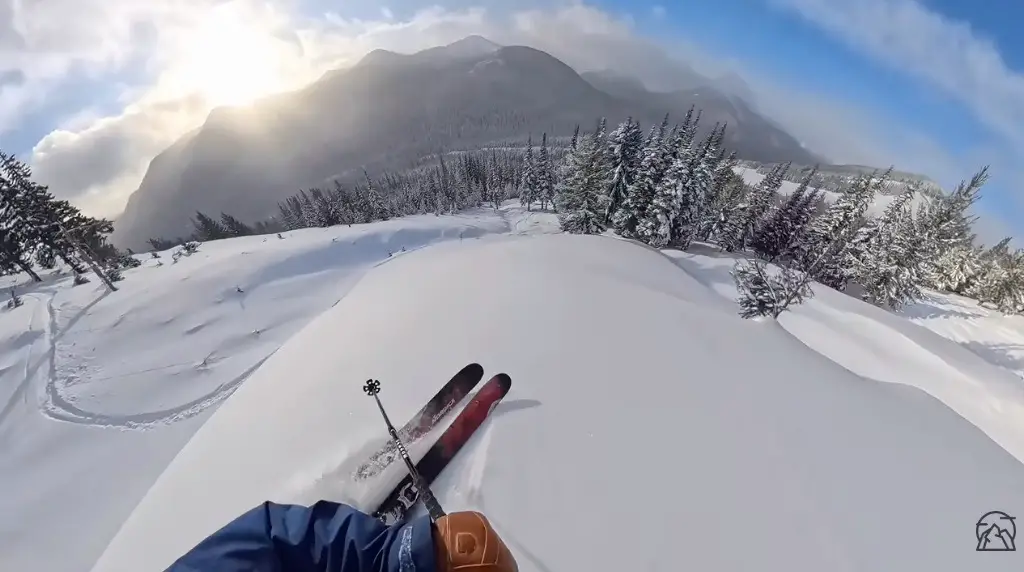
A good groomer can be an absolute blast. Clean turns, consistent snow and enough room to get into a rhythm are plenty of reasons to smile. Add bumps, playful side hits and a terrain park, and there’s a whole range of skiing you don’t get from a typical touring day.
I like natural terrain, but I also like a well-built run. It doesn’t become less fun because somebody used a machine to shape it. Terrain parks are probably the clearest example: deliberately built features that let people get ridiculously creative on skis.
The resort gives me room to enjoy different styles without making every day about powder or steep lines. Sometimes the snow outside the groomed runs is garbage. That doesn’t mean the entire day has to suck.
4. I Can Change the Plan Without Changing the Entire Day
At a resort, I can ski groomers in the morning, move into trees when visibility drops and head higher if the weather clears. If a run is icy or tracked out, I can try somewhere else on the next lap. That flexibility is a huge part of what I enjoy. I don’t have to commit my whole day to one slope before finding out how it skis.
In the backcountry, the route, weather, snowpack and group all influence your options. A slope might look amazing but be inappropriate for the conditions. A change of plan can mean a long detour, a different descent or turning around altogether. Resorts have closures and limitations too, of course. Wind can shut the alpine, and sometimes nothing is skiing particularly well. But on a mountain with good variety, I usually have more immediate alternatives. I like being able to follow the fun around.
5. Resorts Take Some of the Work Out of the Day
Resort skiing still requires preparation. You need suitable gear, an understanding of the conditions and enough judgment to choose terrain you can handle. But compared with planning a backcountry tour, the logistics are usually much simpler. I don’t need touring bindings, skins and an uphill route just to get a day of skiing in. At many resorts, I can rent equipment, take a lesson and start with terrain that suits my ability. That makes resort skiing a more accessible entry point, even though the cost remains a real barrier.
Then there are the small conveniences that become pretty wonderful after a few hours outside. Food, water, washrooms and somewhere warm to sit. I’m all for rugged mountain adventures and absolutely hate paying for lodge food, but pooping on a warm toilet during a blizzard is pretty nice on a Saturday morning.
At some hills, you can even keep skiing after dark. There’s a lot to be said for a place that lets you make turns after work instead of needing an entire day for the outing.
6. Ski Patrol and Avalanche Management Matter
This is one of the biggest differences between the two experiences.
Within open, managed resort terrain, patrol assesses hazards, manages avalanche risk where needed and closes areas that aren’t ready to ski. If something goes wrong, there’s an established response system and people working on the mountain who can help.
That doesn’t make resort skiing risk-free. You can still get seriously injured, and hazards such as collisions, falls and tree wells don’t disappear because you bought a lift ticket. It also doesn’t mean every area within a resort has identical access rules or hazard management.But having that infrastructure makes a meaningful difference to how much responsibility I carry for the entire outing.
In the backcountry, the group has to make its own terrain and travel decisions, and help may be difficult to reach. A lift ride to the start doesn’t change that once you leave managed terrain.
For me, the resort makes it easier to focus on the skiing. That’s a major part of its appeal.
7. Resort Skiing Is Easier to Share
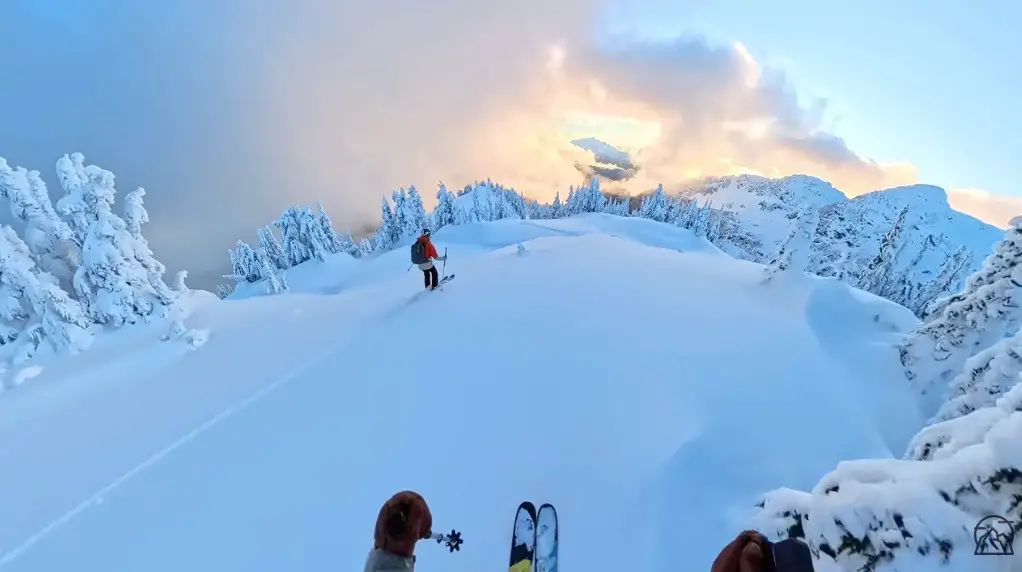
I love skiing with people, and resorts make it easier to put a day together with friends or family who have different abilities. We don’t have to ski every run together. Someone can take a groomer while someone else skis a steeper option, then we can meet at the lift. Someone can stop for lunch while the rest of the group keeps going. There’s room for different versions of a good day.
Backcountry skiing can be incredibly social too. Long climbs give you time to talk, and working through an adventure together can create a strong bond. But choosing partners takes more than finding somebody who also owns skis. You need compatible goals, fitness, skills and approaches to risk, along with the ability to communicate and look after each other. A casual “Who’s coming skiing tomorrow?” requires a different conversation when you’re planning a tour.
For getting a mixed group out on snow, I find the resort much simpler.
8. Backcountry Powder Doesn’t Come With the Same Stopwatch
Now for the part that makes me question my loyalty to chairlifts.
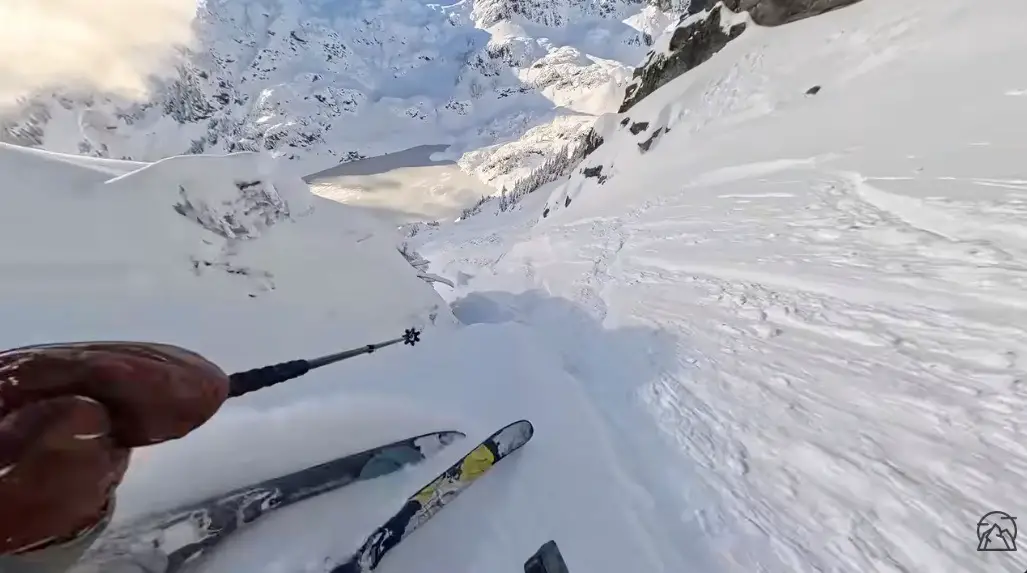
Resort powder can feel like a race. You wake up early, join a line and try to get to the good snow before everybody else does. Sometimes the run you were dreaming about is already tracked out by the time you reach it.In the backcountry, untracked snow can last much longer, especially away from popular routes. There’s something incredible about looking down a slope without a turn on it and knowing you don’t have to race a hundred people to get there. But backcountry snow isn’t automatically better. Wind crust, breakable crust, heavy snow and ice all exist beyond the resort boundary. Sometimes you put in hours of effort for a descent that feels like a personal attack. When you find good powder in appropriate terrain, though, it’s special. That slower, less competitive experience is one of the biggest reasons I’ll keep touring.
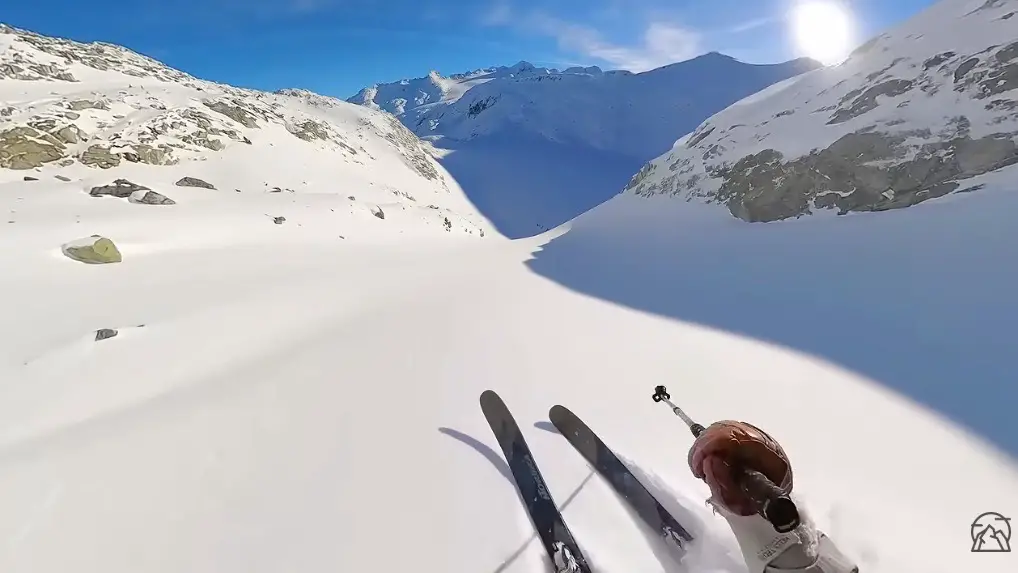
9. The Adventure Is the Point
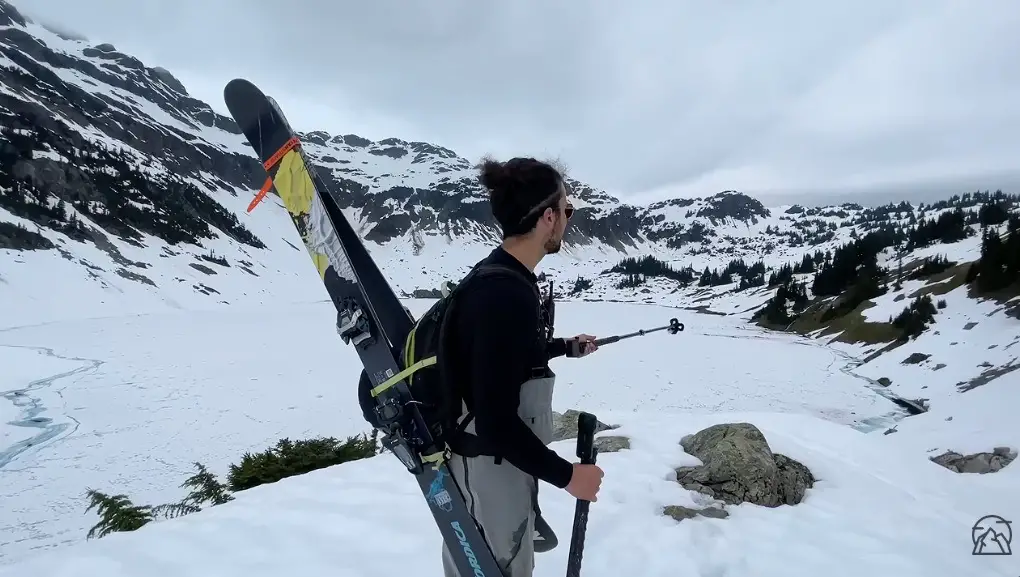
A backcountry day can be memorable long before you start skiing down. You’re moving through the mountains, watching the landscape change and reaching places you wouldn’t otherwise see. The climb, the conversations and the decisions become part of the experience. Sometimes the descent is just the final chapter. I get why earned turns feel different. You’ve put effort into reaching that line, and you’re more invested in the whole outing. There’s a satisfaction there that a chairlift doesn’t provide in quite the same way. The terrain can be different too. You can explore beyond the resort footprint and build trips around routes rather than lifts. That freedom still comes with access restrictions, conditions and practical limits, but it opens up a different relationship with the mountains. If I want an adventure, a workout and a full day of mountain travel, touring can be exactly the right choice. I just don’t want to confuse enjoying all of that with getting more downhill skiing.
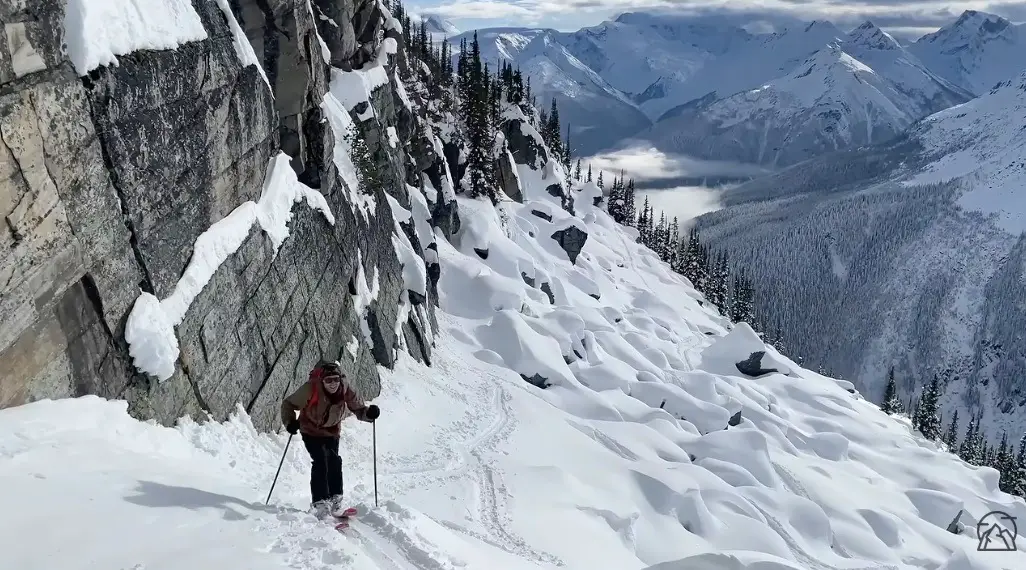
10. Peace and Quiet Are Hard to Beat
No lift machinery. No base-area announcements. No crowded lodge. Just the sound of skis moving uphill, a bit of wind and the odd farmers wrap fart from a homie. Backcountry skiing can give you a kind of quiet that’s difficult to find at a busy resort. Popular touring areas can still get crowded, but the opportunity to spread out and spend time away from the resort noise is a huge part of the draw. That doesn’t have to mean being alone. Sharing a quiet mountain day with good partners can be one of the best parts of skiing. And the uphill travel is a proper workout. If you enjoy the effort itself, the climb isn’t wasted time. It’s part of what you came for. That’s where personal preference really matters: some days I want that slower pace, and some days I want the lift to do its job.
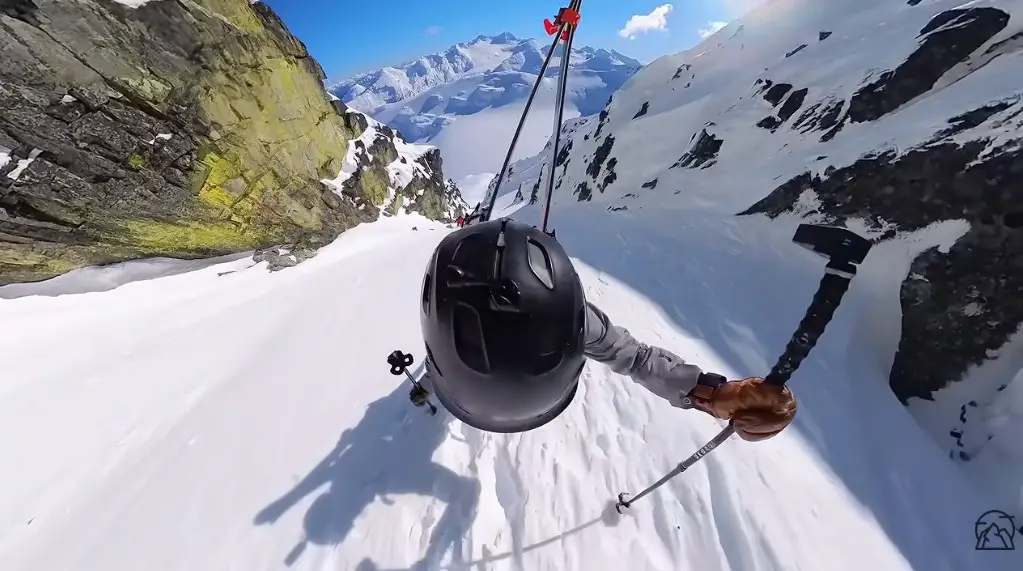
11. Backcountry Skiing Asks More of You
The backcountry demands more than strong downhill skills. In avalanche terrain, you need training, current information, suitable equipment and partners who know how to use it. Every member of the group needs a transceiver, shovel and probe, along with practised companion-rescue skills. Owning the gear doesn’t make you automatically safe or a seasoned decision maker.
You also need to think about navigation, weather, daylight, injuries, equipment problems and how you’ll deal with an unexpected delay. It’s a much bigger responsibility than deciding which lift to ride next. The consequences can be serious. Avalanches can kill you. So can other mountain hazards, and rescue isn’t an instant service you can assume will appear when you need it. That’s part of why the route has to suit the conditions and the group, even when it means abandoning the exciting objective. I enjoy the mental engagement of touring, but I don’t want that level of planning and responsibility every time I feel like making turns. Some days, I’d rather check what’s open and go ski.
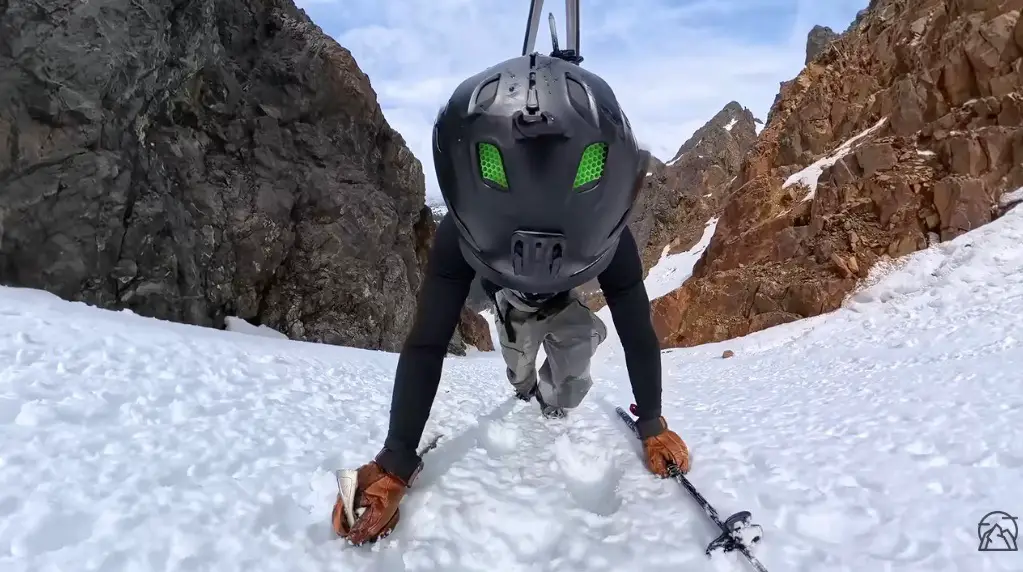
12. Neither Option Is Automatically Cheap
Resorts can be painfully expensive. Lift tickets, accommodation, food and travel add up fast. Standing in a huge queue hurts even more when you’re mentally calculating what each run is costing you. Touring can avoid the daily lift-ticket expense, but “free once you own the gear” leaves a lot out. Equipment, training, travel, maintenance and sometimes access or guiding costs are still part of the picture. If you already have the equipment, knowledge and suitable terrain nearby, a touring day can be inexpensive. If you’re starting from scratch, the initial investment can be substantial. I don’t think cost settles the argument. It depends on where you live, how often you ski and what kind of days you’re trying to have. Either version of skiing can find a way to empty your wallet.
13. Resorts Have Plenty of Ways to Annoy Me
I’m choosing resort skiing, but I’m not pretending it’s perfect. Crowds, lift lines and powder-day chaos can ruin the rhythm. Fresh snow gets tracked quickly, favourite runs become repetitive and some resorts feel more interested in selling a luxury experience than delivering good skiing. You’re also limited by the terrain and lifts available that day. If the best area is closed, you can’t negotiate your way into another mountain. And when the weather is bad, the lines are long and the ticket was expensive, it’s easy to feel like you paid a lot for frustration. The backcountry offers a different kind of day precisely because it gets you away from some of that. I completely understand wanting to escape the resort circus. I just usually enjoy the skiing enough to keep coming back.
So, What Do I Like Better?
For me, resort skiing maximizes time spent skiing downhill. Backcountry skiing makes the wider mountain journey a much bigger part of the day. Neither experience is more legitimate. Taking a chairlift doesn’t mean you love the mountains less, and enjoying the climb doesn’t mean you’ve forgotten what skis are for. We’re just choosing different ways to spend our time.
I love the quiet, exploration and satisfaction of a good tour. I’ll keep heading into the backcountry because there are experiences out there that I can’t get from the resort. But if you made me choose one for the rest of my life, I’d take the chairlift. I want the laps, the repetition, the variety and the ability to spend as much of my day as possible doing the part I love most.
At the end of the day. I just want to ski. Skiing is the best.
Stay Spicy
Watch This Post In Video Instead (It’s Better Than Reading): https://youtu.be/f3G82gr9FqY?si=e4WI6T1pggtfERC8
Stickrbottle: https://www.stickrbottle.com/
Ski Sauce: https://www.skisauce.com/