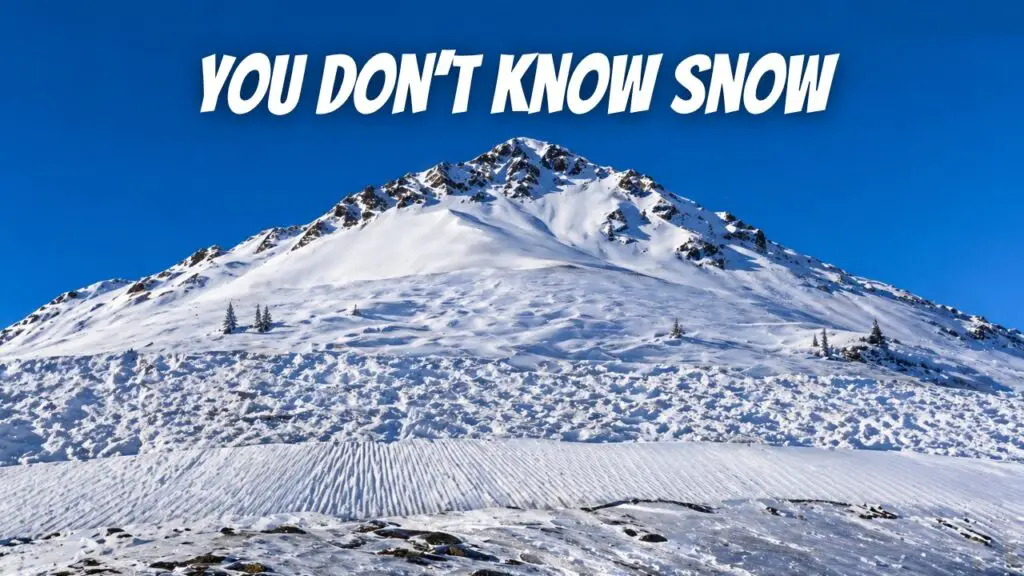
Most skiers divide snow into two categories: Good & Bad.
Powder = Good.
Anything that makes your skis chatter, grabs your boots, or sends you over the handlebars = Bad.
But that approach can make you miss some ridiculously good skiing.
A mountain that hasn’t seen fresh snow for a week might still have smooth, grippy chalk. A spring morning that starts out rock solid can turn into some of the best turns of the season. And a huge overnight snowfall can ski completely differently depending on its density, the wind, and what’s underneath it. Snow reports give you a starting point. Understanding what those words actually mean helps you decide where to ski and when to move on. These aren’t the only types of snow in existence, or 10 neatly separated scientific categories. Some describe texture, some describe moisture, and others describe what weather, grooming machines, or thousands of skiers have done to the surface.
Here are the 10 types of snow every skier should know.
Table of Contents
1. Powder
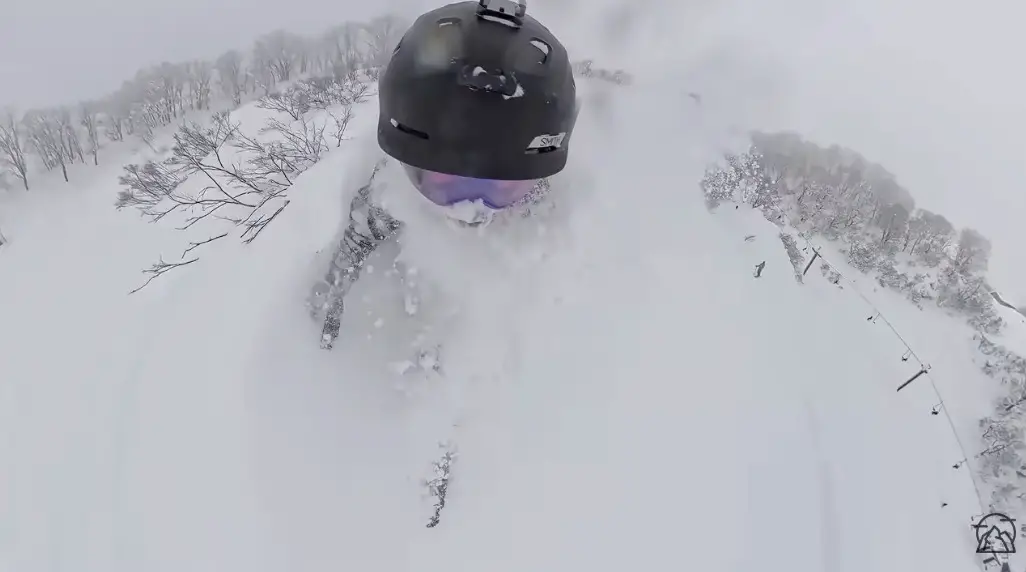
Powder is fresh, loose snow that hasn’t been compacted by grooming or skier traffic. It’s the stuff that gets people out of bed early, creates lift-line friendships, and then immediately destroys those friendships when the rope drops. But not all powder skis the same.
Blower powder
Blower is exceptionally light, low-density powder. You’ll also hear it called cold smoke. It billows around you when you turn, hangs in the air, and creates the face shots that make everyone watching your footage wish they’d called in sick. Interior BC and Japan are famous for it, although neither has a monopoly on the good stuff. The right storm can deliver light powder in plenty of places. There’s a catch: light snow doesn’t always provide much support. A small amount of blower over a hard surface can look spectacular while leaving you feeling every bump underneath. Depth matters. So does the base.
Everyday powder
Most powder days involve snow with a little more substance. It still feels soft and loose, but offers more resistance and support than ultra-light blower. That can be a good thing. Supportive powder helps you float and can make the underlying surface less noticeable. For me, the best powder isn’t automatically the lightest. It’s snow that lets you link turns, stay balanced, and enjoy the terrain without spending the entire run fighting what’s underneath.
2. Packed Powder
Packed powder is powder that has been compressed into a more consolidated surface. Settling and skier traffic can all contribute. This is where snow-report language gets confusing. “Packed powder” describes a broad condition, so it doesn’t tell you exactly how smooth, soft, or chopped up a particular run will be. At its best, it’s beautifully forgiving. Your edges bite, your skis feel supported, and you can make confident turns without sinking deeply into the snow. This is prime hero-snow territory: enough grip to trust your skis, enough softness to forgive a mistake, and enough support to make you feel suspiciously talented. But packed powder isn’t automatically crud. Crud describes the uneven piles and chunks left behind as soft snow gets chopped up. A smooth packed-powder run and a trashed powder field can feel completely different. And “clapped out”? That’s skier slang for something that’s been thoroughly worked over a little too much.
3. Groomed Snow
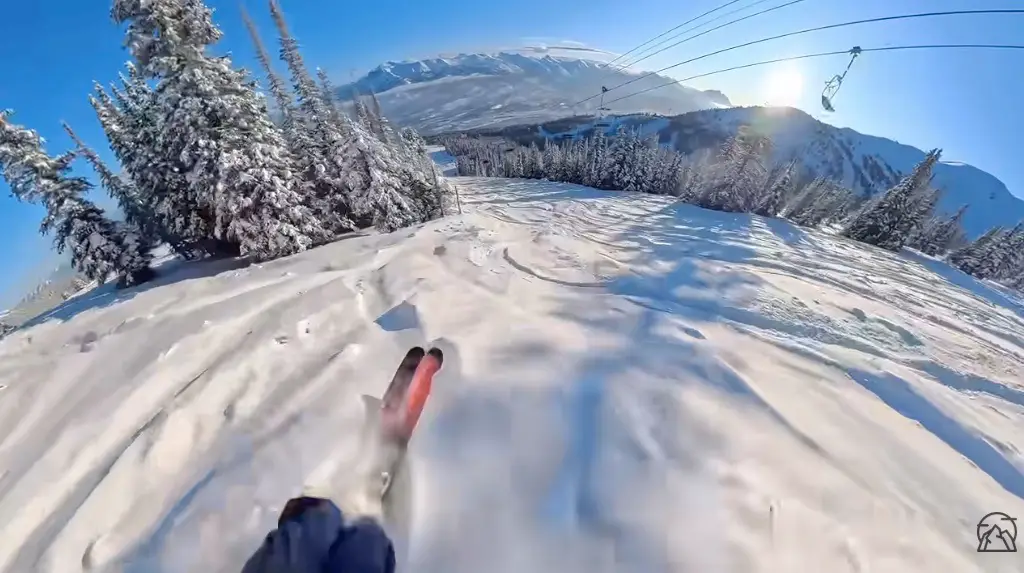
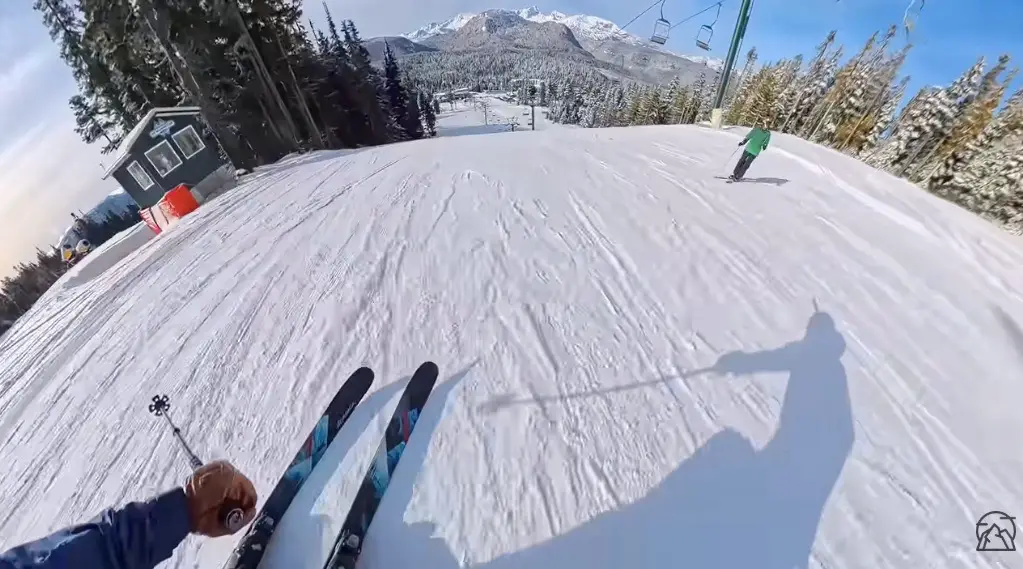
Groomed snow is snow that a grooming machine has redistributed and smoothed. Fresh grooming often leaves those familiar parallel ridges called corduroy.It’s predictable, accessible, and an excellent place to work into your edges. It can also be insanely fun. There’s something satisfying about a wide-open run where you can trust the surface and roll from edge to edge. You don’t need a snorkel or a cliff drop to have a great morning. But grooming describes a treatment, not a guarantee of softness. A groomed run can be soft packed powder, firm hardpack, or a freshly smoothed surface that feels very icy after a freeze. The corduroy might look identical in a photo. Your legs will notice the difference and your ears will hear it. As you go up the chairlift listen to others making turns so you’ll have a little idea of what to expect before you stick the pedal to the metal.
4. Dense and Wet Snow
If you ski somewhere like Whistler, you’ve probably heard someone complain about coastal concrete. In California, the usual nickname is Sierra cement. Both describe heavy, dense snow that takes more effort to move through than light powder. But dense snow and wet snow aren’t exactly the same thing: snow can be relatively dense while still being dry. Wet snow contains liquid water. The nicknames blur that distinction because skiers mostly care about how it feels under their feet. Dense fresh snow can be fantastic when it’s consistent. It provides support, helps cover an uneven base, and can make a relatively modest snowfall ski deeper than you expected. The challenge comes when it’s sticky, gets chopped up, or changes density halfway through your turn. Suddenly, those effortless powder turns require a lot more attention. And while blower tends to explode into a cloud, heavier snow often feels more like you’re pushing through something substantial. That doesn’t make it a write-off. Coastal powder can deliver incredible skiing. It just asks a little more of you.
5. Crud
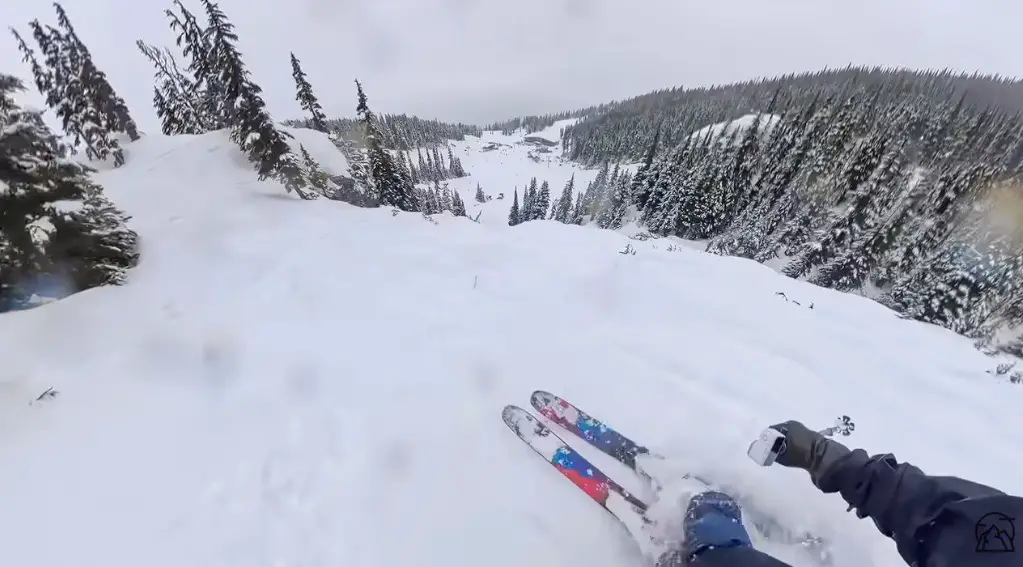
Crud is what happens when a soft, fresh surface gets chopped into an inconsistent mess. You’ve got piles, troughs, chunks, tracks, and patches of firmer snow. Your skis move easily through one section and hit resistance in the next. It’s powder with consequences. Crud can be soft and playful, or heavy and exhausting. Its difficulty depends on the snow’s density, how deep the piles are, and whether they’ve started to freeze. The temptation is to lean back or simply charge harder. Neither is a reliable solution. Stay centred, keep your legs available to absorb changes in the surface, and choose a speed and line you can control. Dense crud on a steep slope is a very different proposition from shallow chop on a mellow run. When crud is covering the mountain look for less heavily trafficked open runs, or terrain where the snow remains relatively consistent. If every turn feels like a wrestling match, a groomer might be the better call.
6. Wind-Affected Snow
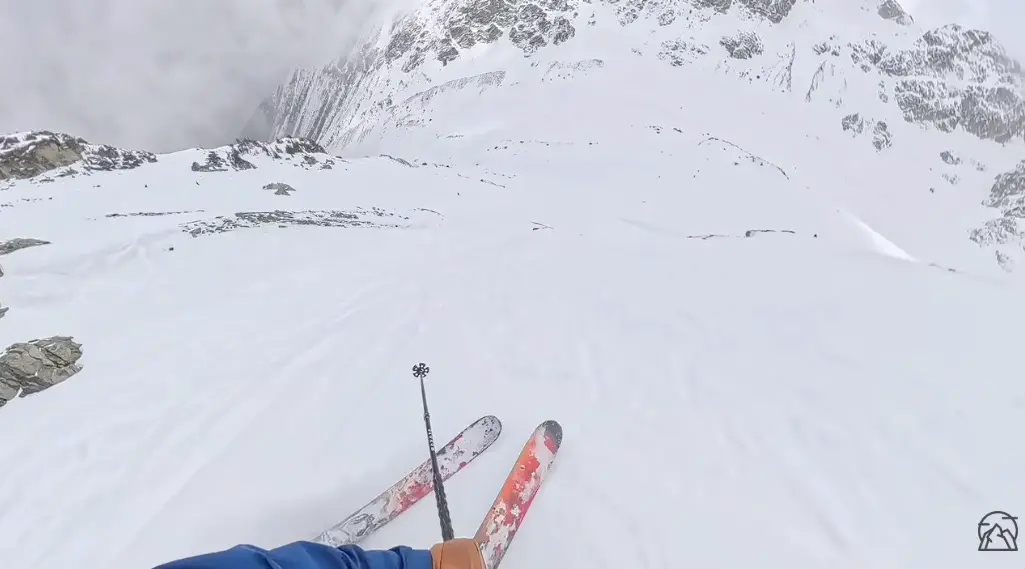
Wind can transform a mountain without a single new snowflake falling. It removes snow from some places, deposits it elsewhere, and changes the texture of what remains. That’s why neighbouring slopes can ski completely differently.
Wind-loaded snow
Wind-loaded terrain has accumulated snow transported by the wind. It can be deeper than surrounding areas, but those deposits can also form cohesive slabs. A smooth, filled-in slope is not proof that it’s safe. Fresh wind loading can create an avalanche problem, especially where deposited snow sits over a weaker layer. Stay within open resort terrain and respect closures. Outside controlled terrain, use the avalanche forecast, appropriate training, and proper equipment to make terrain decisions.
Wind buff and chalk
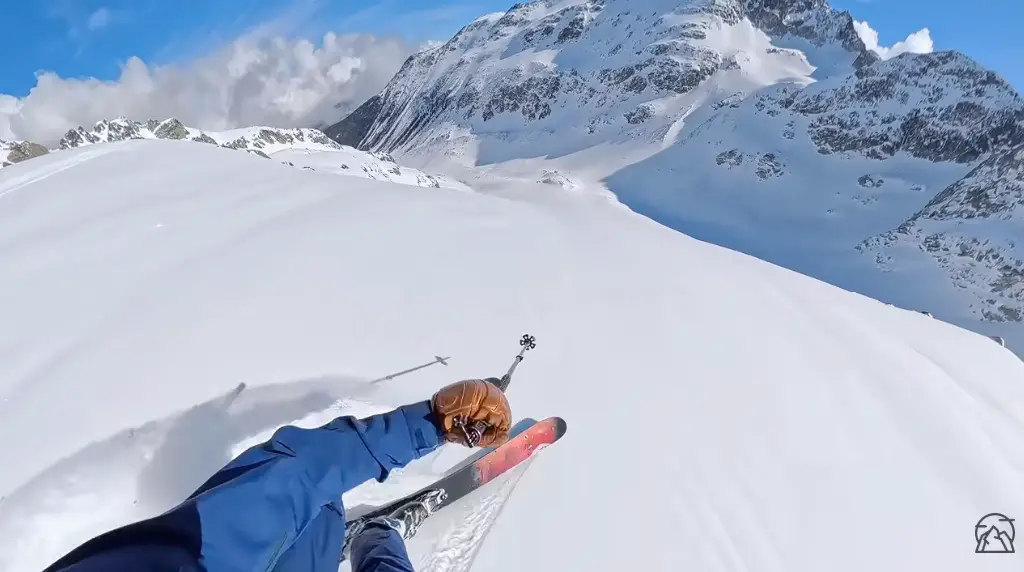
Wind buff is a skier’s term for a smooth surface shaped by wind. At its best, it feels creamy and supportive, with enough grip to inspire confidence. Chalk describes dry, consolidated snow with a grippy, chalky feel. The terms overlap in skier conversation, but not all chalk is wind buff, and not every wind-smoothed slope skis like chalk. The good version can be outstanding on steep terrain. You get predictable turns without needing fresh powder. This is one of the reasons a “no new snow” day can still be an absolute winner.
Wind-scoured snow
On the other side of the equation, wind can strip away loose snow and expose a firm base, ice, or even rocks. That beautiful-looking ridge might have considerably less snow than the sheltered run beside it.
7. Hardpack
Hardpack is compacted, firm snow that still offers usable edge grip.It doesn’t give you the cushion of soft packed powder, but it can provide fast, consistent skiing. With good technique and well-maintained edges, hardpack can be a great place to carve. The key difference between enjoyable hardpack and something much less enjoyable is how reliably your edges hold.“Firm conditions” on a snow report might mean an edgeable surface. It might also cover sections that feel much closer to ice. There’s no universal point where every skier agrees hardpack ends and ice begins.
8. Ice
Skiers use “ice” fairly loosely. Sometimes they mean very hard snow. Other times they mean an actual icy surface formed by rain or meltwater freezing. Either way, the defining experience is a shortage of grip.
Ordinary icy conditions
You might encounter isolated patches, scraped-off sections, or a run that has refrozen after warming up. A slope can change from decent snow to ice in a few metres, especially where skier traffic has removed the softer surface.
Boilerplate
Boilerplate is slang for an exceptionally hard, often slick surface. It isn’t a separate scientific snow classification or something found only on racecourses. It’s the kind of snow that makes a gentle run feel considerably more serious. Sharp edges can help, but they don’t make every icy slope appropriate for every skier. Choose manageable terrain, leave space, and keep your speed under control.
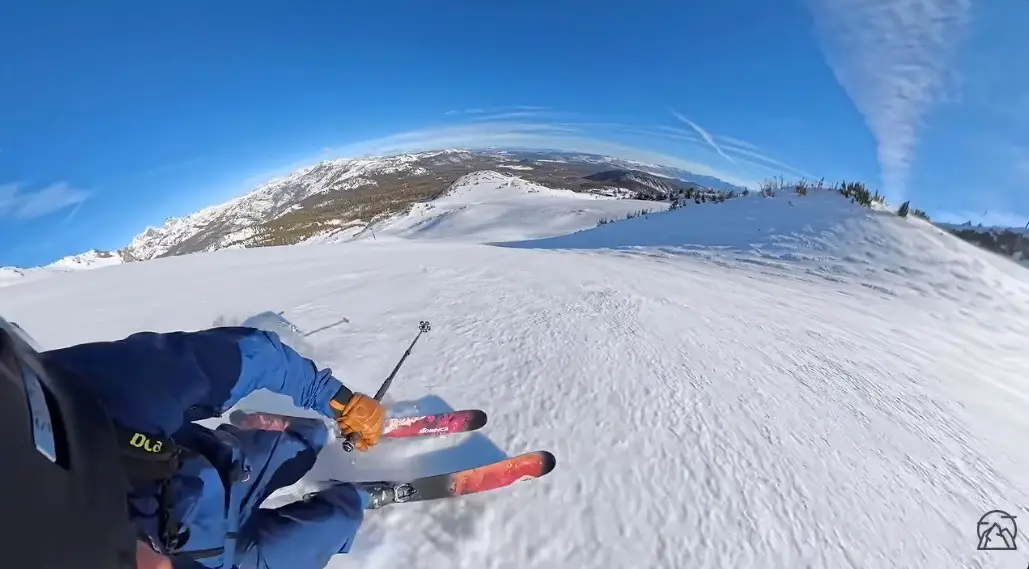
9. Crust
A crust is a harder surface layer over snow underneath. It can form through melting and refreezing, rain followed by freezing, or wind effects. Some crusts support your weight. Others break.
Breakable Crust
Breakable crust is the truly frustrating version: your skis punch through the surface, then catch underneath it as you try to turn. One moment you’re supported; the next you’re fighting to get your skis out. It can make a competent skier look like they’ve just discovered legs.
Dust on crust
Dust on crust is a thin layer of fresh snow over a firm or crusty base. From the chairlift, it can look like a powder day. Under your skis, it might feel like yesterday’s bad conditions wearing a fresh outfit. A small snowfall doesn’t necessarily cover or cushion the old surface enough to improve the skiing. Other times, a dust on freshly groomed terrain can be the absolute dream.
10. Spring Snow
Spring skiing is a timing game. The same run can be frozen early, fantastic later, and a sticky mess by the afternoon.
Corn snow
Corn develops through repeated melt-freeze cycles that produce coarse, rounded grains.The sweet spot arrives when the surface softens while the snow beneath remains supportive. You can get smooth, predictable turns with excellent grip. It’s one of my favourite reminders that powder isn’t the only reason to go skiing. But any snow that softens in the sun isn’t automatically mature corn. Fresh winter snow warming up for the first time can behave quite differently.
Slush, mashed potatoes, schmoo, and gloop
As the snow becomes wetter and loses support, you enter slush territory. The exact nicknames vary. Mashed potatoes usually suggests thick, heavy snow; slush can be loose and watery. Schmoo and gloop are less technical, but you’ll probably understand them immediately when your skis hit it. Some slush is playful. Some grabs your skis and makes every turn a workout.
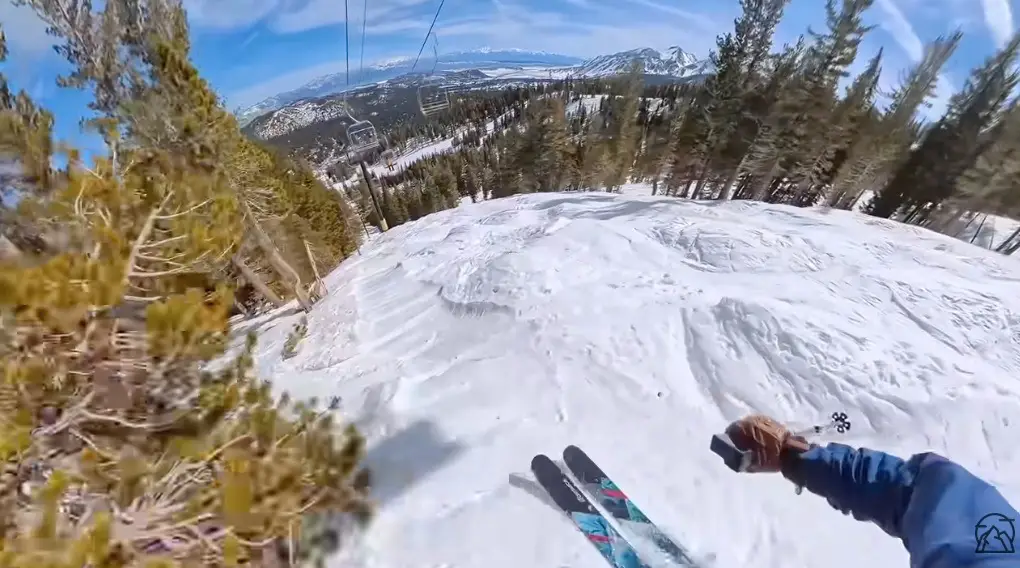
Bonus: What the F**k is Variable Snow?
“Variable” is the snow-report version of “it’s complicated.” It means conditions change, sometimes between elevations or aspects, and sometimes several times within the same run. You might find soft snow up high, crust halfway down, and slush near the base. Or chalk in one bowl and wind-scoured hardpack in the next. The term isn’t useless. It’s a warning to expect inconsistency. It just doesn’t tell you where the good bits are. On an unfortunate day, it can absolutely mean a mix of crust, crud, ice, and sadness.
How to Find Better Skiing With the Snow You Have
A snowfall total tells you how much snow fell at a measurement point. It doesn’t tell you how the whole mountain will ski. Pay attention to what happened before the storm, whether the wind has moved the snow, how temperatures change with elevation, and which slopes have been warmed by the sun. Then use your first few runs to check your assumptions. Is the fresh snow deep enough to cushion the base? Are the open alpine runs smooth and grippy, or stripped bare? Has the sunny groomer softened yet? Does the shaded run still hold better winter snow? Keep those decisions within terrain that’s open and appropriate for your ability. Finding better texture doesn’t make a slope safe. You don’t need to memorise every snow-science term or agree with every piece of chairlift slang. You just need to recognise what’s under your skis and adjust.
Because sometimes the difference between a terrible day and an all-time day is finding the right snow on the same mountain.
Watch This Post On Video: https://youtu.be/O1Fp0R8g0gc?si=UY3t3zuTLv56eZFo
Stickrbottle: https://www.stickrbottle.com/
Ski Sauce: https://www.skisauce.com/