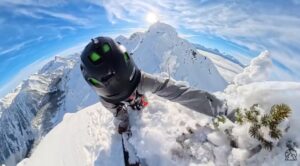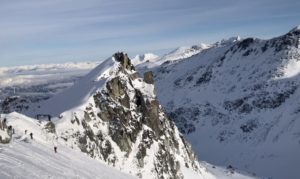
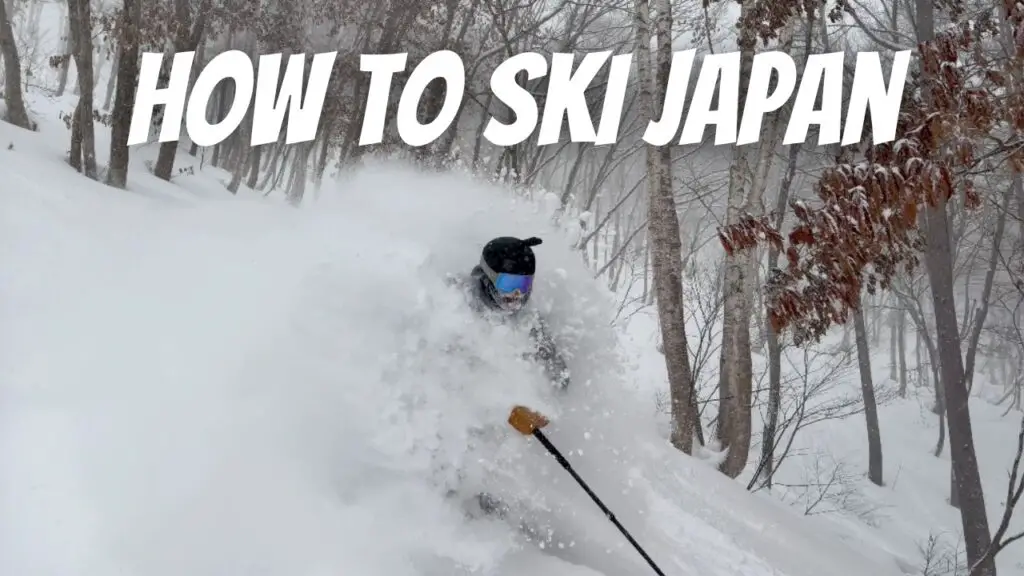
After a lifetime of thinking about it, I finally pulled the trigger and went to Japan for the dream ski trip. If you’re sitting there thinking about doing the same thing, do it. I’m so glad I finally went. I absolutely hate trip planning. With a passion. So this is everything I wish I knew before planning my trip and stepping foot in Japan. Hopefully, it makes your planning a little less painful and gives you more time to ski powder and sip Sapporo.
These are my personal experiences and recommendations from travelling with Jimbo on Honshu, including the Nagano area and Hakuba. I haven’t skied Hokkaido, and I’m not going to pretend otherwise. This isn’t the final word on Japan. It’s what I noticed, what worked for us and what I’d do differently.
Table of Contents
1. Why Should You Ski Japan?
I probably don’t need to tell you why. Growing up, it was almost impossible to watch a ski movie without a Japan segment. Deep powder, trees and somebody disappearing into snow. It’s been on the dream-trip list for a long time. Then social media arrived and turned the volume up even further. Before my trip, it felt like every ski movie, Instagram clip and YouTube video was filmed there. Everybody seemed to be going. That was exciting, but it also made me wonder whether the experience could possibly live up to what I’d built in my head.
2. Is Japan Overhyped?
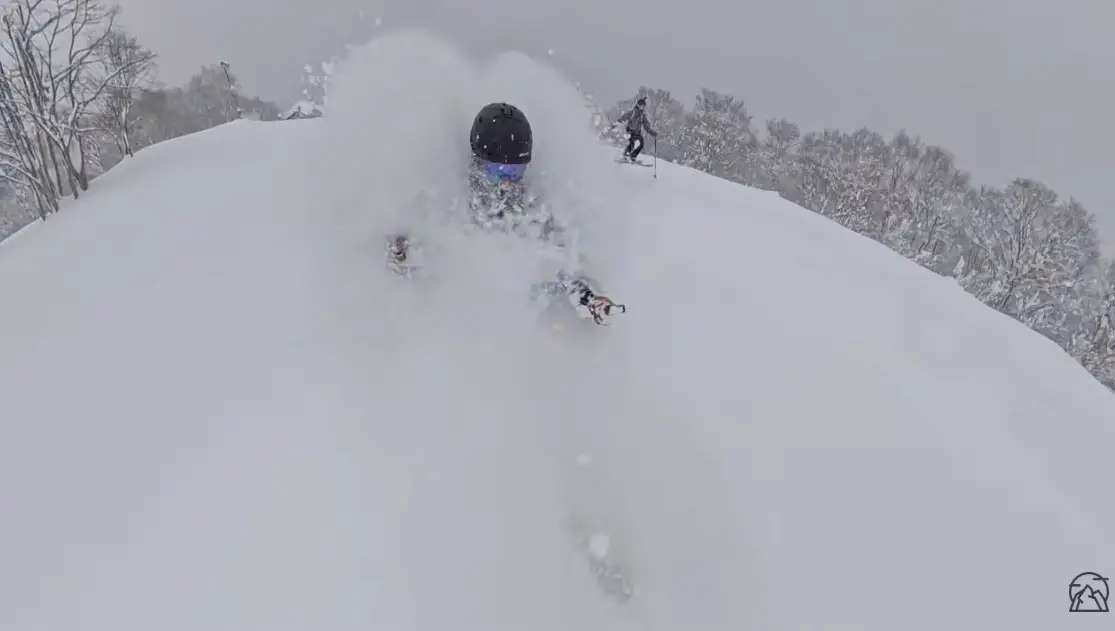
Japan is hyped up a lot. After booking, I was genuinely concerned that I’d arrive and feel disappointed. I wish I could give you the spicy answer and say everybody’s wrong. But no. It was freaking awesome. The snow was a huge part of it, but so was being somewhere completely different. The food, the people and the experience around the skiing made the trip special. For me, it delivered.
3. When Is the Best Time to Ski Japan?
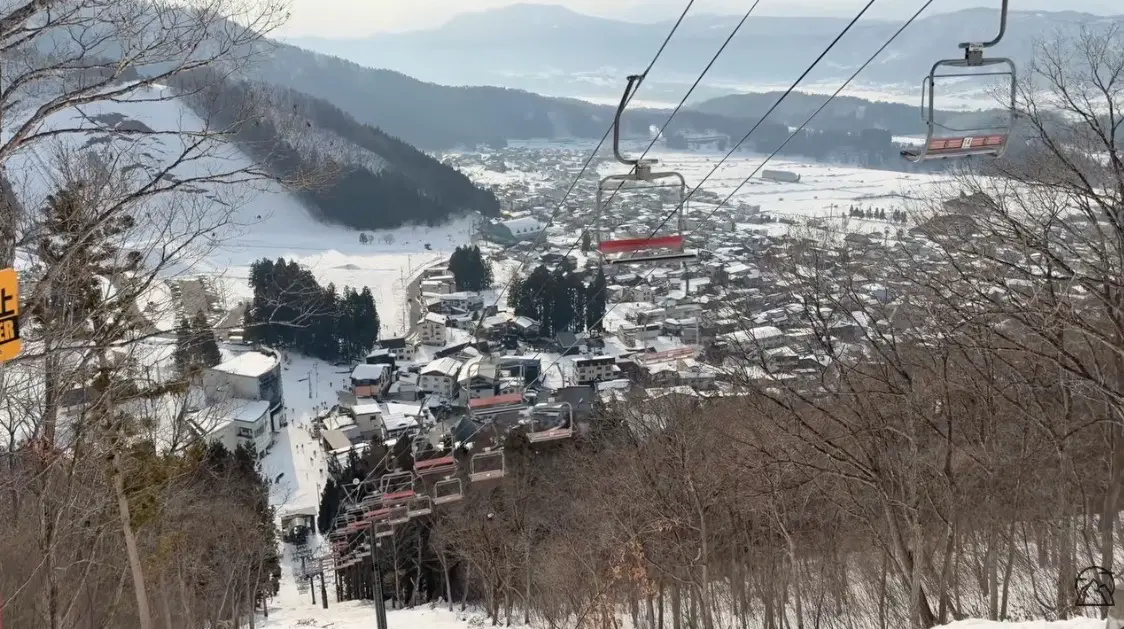
If you’re going for the dreamy cold-smoke powder, January and February would be my starting point. They call it Japanuary for a reason, but February can deliver massive storms too. I went from around mid-January into the start of February, and it was fantastic. That doesn’t mean those dates guarantee the same trip for you. The longer you stay, the more opportunity you have to catch a storm cycle. Late December can work, while March can still deliver good skiing but brings more risk of warmer conditions if cold powder is the main objective. The useful season varies by mountain, so don’t assume every Japanese resort follows the same calendar. Check holidays before booking as well. New Year, Lunar New Year and Australian school holidays can affect demand in popular destinations. You’re choosing between weather opportunities, availability and crowds, rather than discovering one magical week that solves everything.
4. What Type of Skier Is Japan Best For?
Japan isn’t necessarily everyone’s cup of tea, and that’s fine. If you enjoy exploring new cultures, eating different food and skiing somewhere new, there’s a lot to love beyond the skiing itself. It checked all those boxes for me. But if we’re talking strictly terrain, don’t expect every resort to feel like Whistler, Kicking Horse or Palisades Tahoe. Much of the skiing is mellower, with a big emphasis on trees and powder rather than steep, aggressive alpine terrain. Japan does have high-alpine terrain, particularly around the Japanese Alps, but that isn’t the standard lift-served experience everywhere. Likewise, if parks or dramatic big-mountain views are the reason you travel, research those specifically. Don’t assume the destination from the powder movies automatically matches your favourite style of skiing. Be honest about what you enjoy. Everybody going to Japan doesn’t mean you have to. There are plenty of cool places to ski, and choosing the trip that suits you is better than chasing somebody else’s highlight reel.
5. Where Should You Ski: Hokkaido or Honshu?
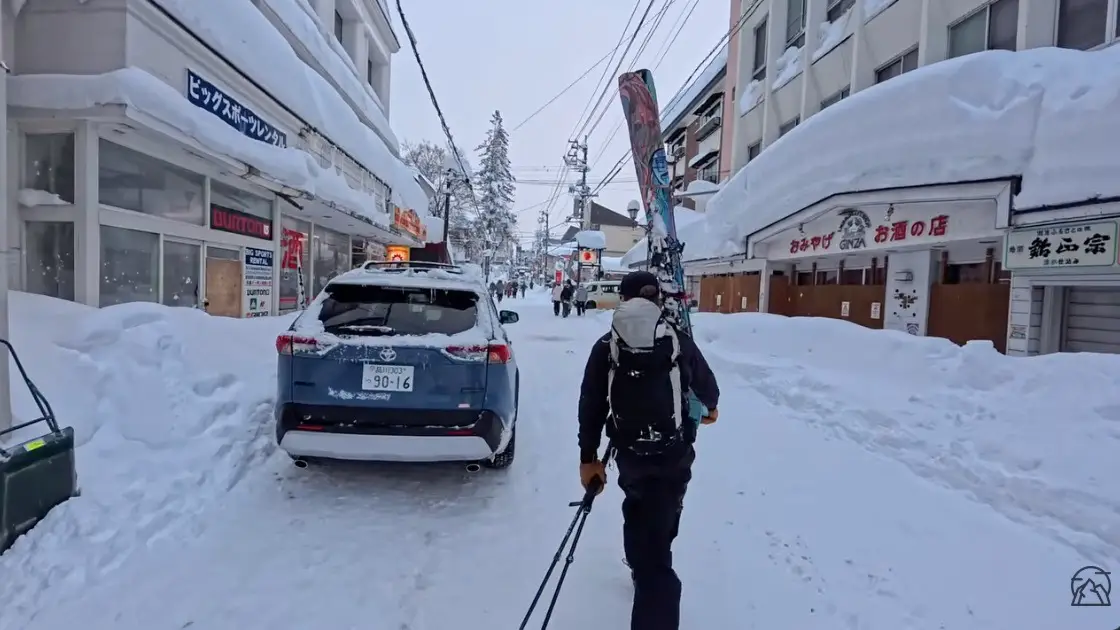
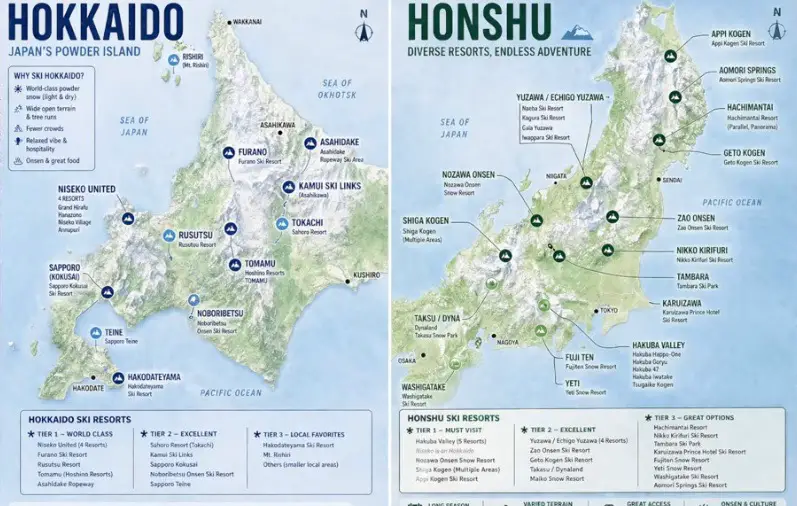
This was probably the hardest decision for me. Japan has hundreds of ski areas, but for many first-timers, the initial choice comes down to Hokkaido or Honshu. Hokkaido is the northern island associated with places like Niseko. Honshu is the main island, where you’ll find Hakuba, the Myoko area and many other destinations. Hakuba is in Nagano Prefecture, so those names aren’t separate regions in the same way as the two islands. The established destinations tend to make visitor logistics more straightforward. If you want something less familiar to international tourists, there are plenty of other places to research too. It depends on how much exploring you want to do and how comfortable you are figuring things out. I ended up on Honshu partly because I couldn’t find Hokkaido accommodation at a reasonable price for our dates. I got priced out. Honshu gave us more affordable options, and Hakuba’s bigger terrain also appealed to me. We rented a car, explored and had an awesome time. I loved the places I skied and couldn’t recommend that experience highly enough. But I haven’t been to Hokkaido, so I can’t compare the two from firsthand experience. My recommendation is to pick a region and ski it properly. You don’t need to cram both islands and every famous resort into one trip. Moving between them adds travel time, and I’d rather spend that time exploring the area I’m already in.
6. Don’t Let Your Pass Decide the Entire Trip
I initially worried about lift tickets because I’m used to North American pricing. Buying a bunch of expensive day tickets can become a bigger expense than the flight. But on my trip, most tickets were roughly CA$50–$100 after conversion. I remember one of the cheapest days being around CA$42 with lunch included. Those are the prices I experienced, rather than a promise about what every resort charges now. Having an Epic or Ikon partnership wasn’t the deciding factor I expected it to be. The savings weren’t big enough to make me ignore other mountains I wanted to ski. Check the current prices and your pass access, but don’t let a pass turn into a cage. If another resort interests you, buying a day ticket might be well worth it.
7. Book Accommodation Early
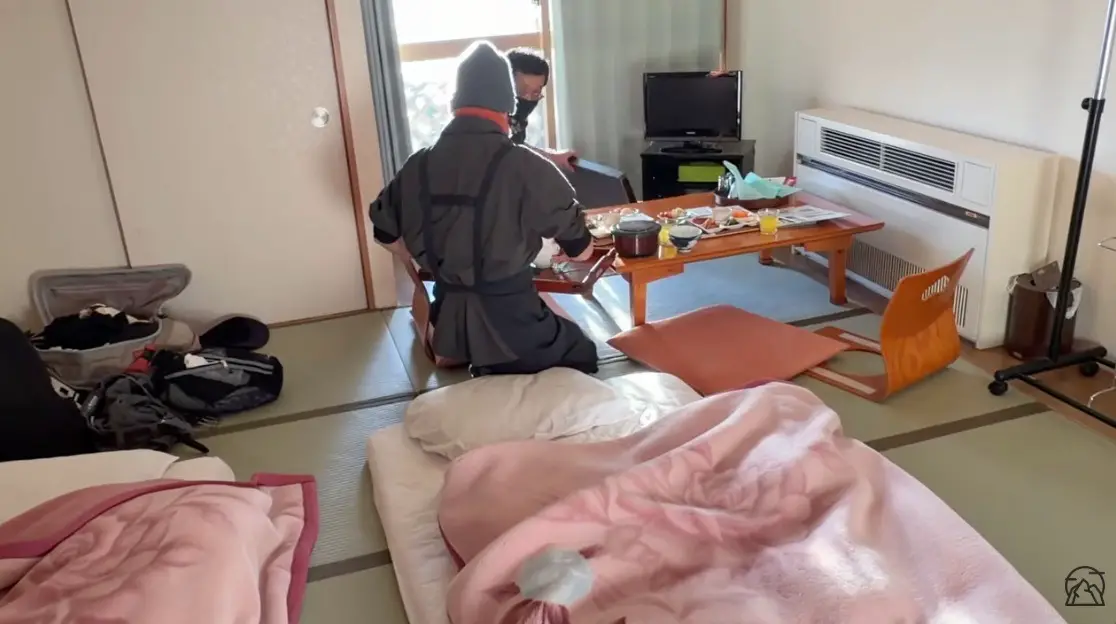
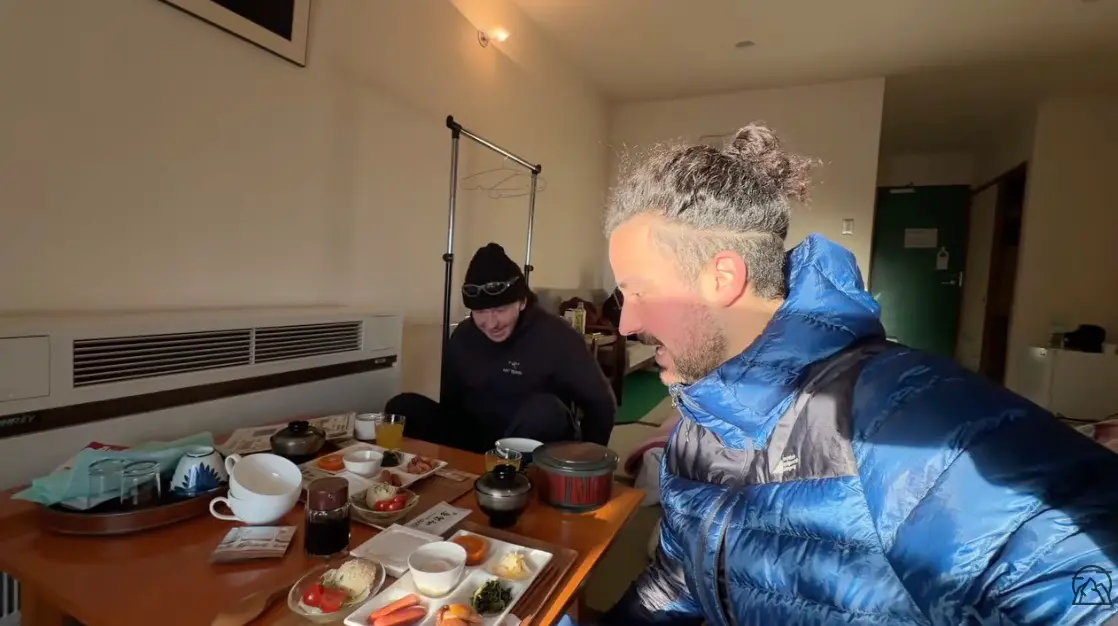
Accommodation was a big reason we didn’t go to Hokkaido. Japan is popular, and the affordable options in well-known ski destinations can disappear early. I booked for Jimbo and I around late November or early December for our January trip. It worked, but it made planning harder than it needed to be. I know people who reserve long stretches of refundable accommodation, watch the storms and then cancel what they don’t want. I’m not recommending it. It feels a little greasy to me, but it’s one reason I wouldn’t assume that loads of rooms will be available when I finally get around to looking. One thing I really enjoyed was staying in traditional ryokan accommodation. Sleeping on futons laid out on tatami floors felt different from the usual hotel experience, and by the end I’d become quite fond of it. Some of our accommodation also had an onsen, which was a pretty fantastic thing to come home to after skiing.
8. Car Rental vs Public Transport
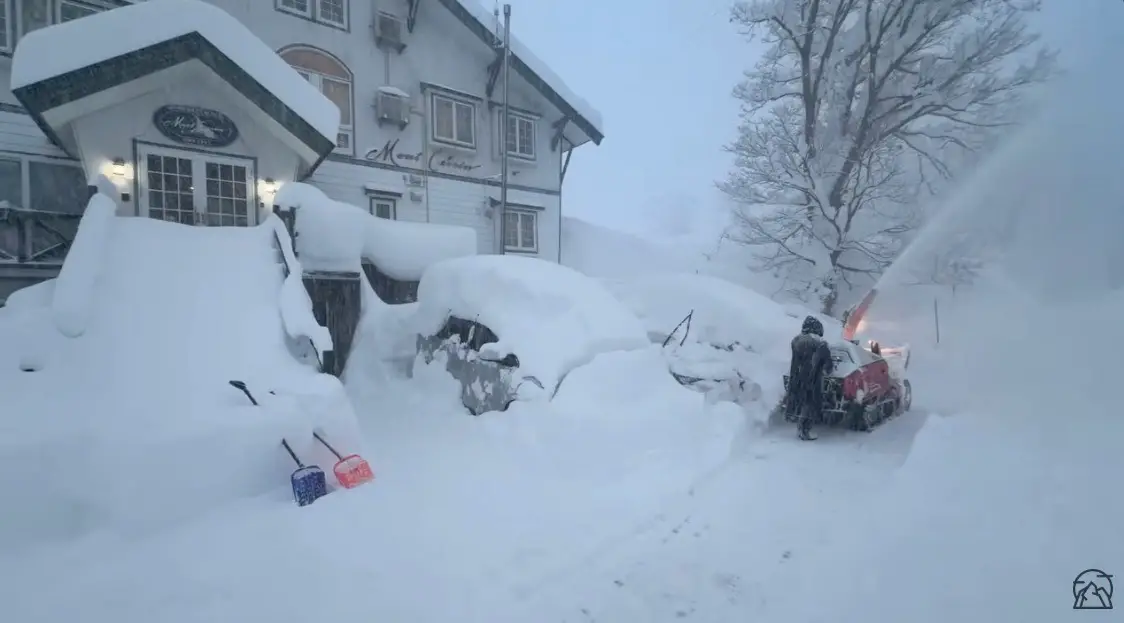
I didn’t use enough public transport between ski resorts to give you a detailed review of that approach. We used trains getting from the airport through Tokyo to Nagano, then rented a car. For our style of trip, the car was a massive unlock. Jimbo and I could check the forecast and decide where we wanted to ski the following day. Maybe one mountain had more snow. Maybe we wanted to avoid the busiest option. We could get there early and move at our own pace. I also liked stopping at random places, eating somewhere unexpected and exploring little towns. Driving makes me feel more tuned into a place. You’re involved in the journey, even if you keep switching on the windscreen wipers when you meant to indicate. A car isn’t a requirement. Public transport and resort transfers can work, but check the actual routes and schedules rather than assume they’ll get you everywhere at first-chair time. As a psycho powder addict, I appreciated being able to arrive early. Winter tires were the important rental detail. We took the train to Nagano and rented there so we could arrange a car with studless winter tyres instead of assuming an airport rental would have them. Our little two-wheel-drive commuter car handled the conditions impressively, including a massive storm cycle. We did get snowed in once, but everyone around us was snowed in. That was our experience, not a guarantee that any two-wheel-drive car suits every winter route. Confirm the setup, driving documents and conditions for your trip. Also think about space. Two people, skis and luggage fit in our small car. Add more people and it would have become a very different packing exercise.
9. Smaller Groups Make the Trip Easier
Usually I’m a more-the-merrier kind of guy. When skiing, though, I prefer a small group. More people often means more waiting and more complicated decisions. Japan made that preference even stronger. Some of the most fun restaurants and bars were tiny. Two people could fit into places where a big group would have been difficult to accommodate. Small groups also simplify the car, luggage and room situation. Don’t assume you’ll save heaps by squeezing more people into the same accommodation, either. Some places price by occupancy, and the rooms we stayed in were comfortable for Jimbo and I rather than a whole crew. Two was a pretty sweet number for our trip. You can absolutely travel with more people, but I’d keep the practical limits in mind before building a huge group chat.
10. Flights and Getting There
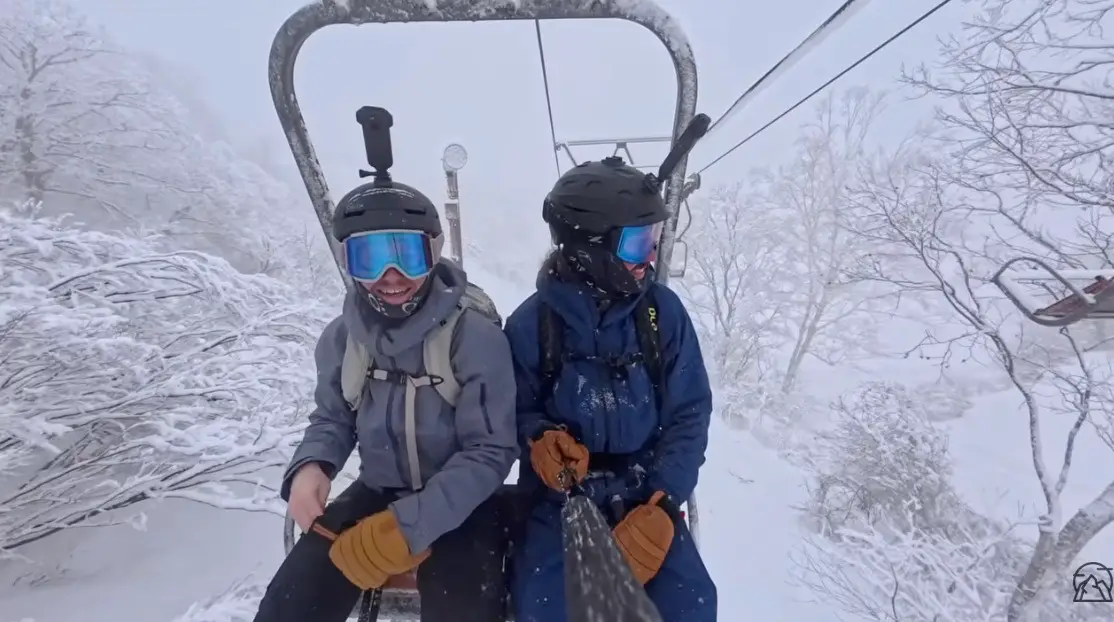
Our international travel was straightforward compared with some of the planning around accommodation and the rental car. We flew into Tokyo, then worked our way through the train system to Nagano. The confusing part was navigation when I couldn’t read the signs. Having maps and a translation app helped enormously. Think through the journey from landing to your accommodation, including the ski bags and arrival time. Getting to Japan and getting to the ski town are two different parts of the plan.
11. Set Up Your eSIM Before Landing
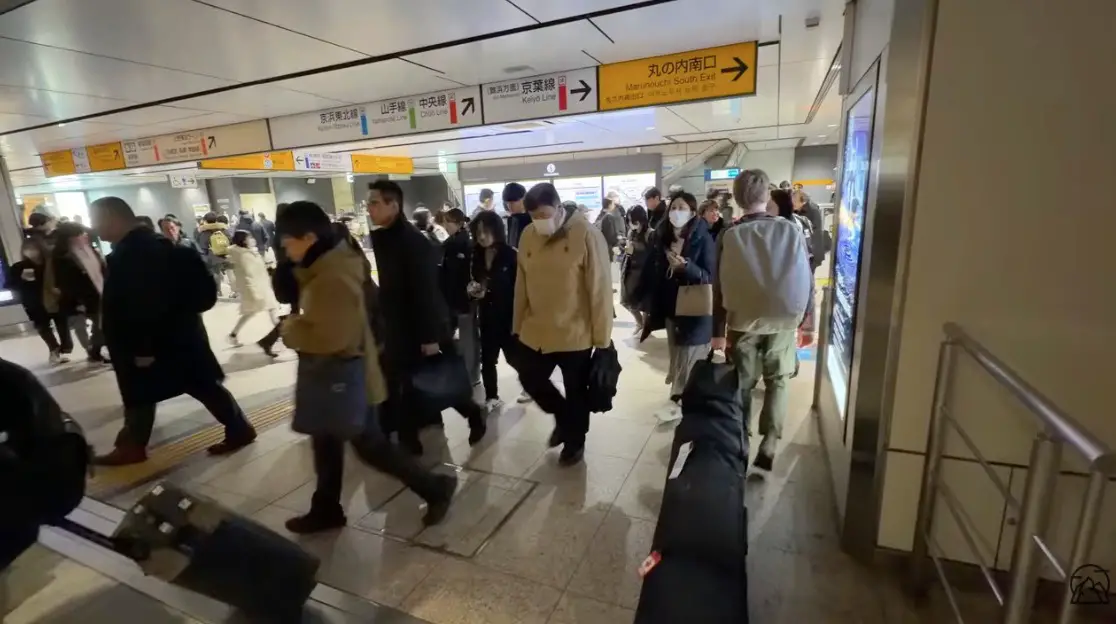
Have a working data plan ready before you need to navigate a giant station with luggage. If you’re using an eSIM, check your phone supports it and follow the provider’s setup instructions before travelling. We used Google Maps and Google Translate, and I was very glad to have them. Efficient transport doesn’t automatically mean an unfamiliar station is easy to understand. At Tokyo Station, we were properly confused. An absolute angel of a guy came over and helped us get to the right train. He didn’t speak English, but he worked out that we wanted Nagano and walked us through the station, showing us the elevators for our huge ski bags. God bless that man. What a fantastic human. Have your own navigation tools ready, but don’t underestimate how much a little human kindness can help too.
12. Ski-Bag Transport and Delivery
If you don’t want to lug ski bags through stations, luggage forwarding is an option. Yamato Transport, also known by its black-cat branding, offers services you can arrange to send equipment ahead. We didn’t use it. During the storm we were travelling through, we were warned that delivery could be delayed. The last thing I wanted was fresh snow and no skis, so we decided to carry everything ourselves. That wasn’t me discovering a problem with the company. It was choosing to keep our equipment with us because of the timing and weather. If you use delivery, confirm the route, deadlines and receiving arrangements. Spending time in Tokyo before heading to the mountains could give you a useful delivery buffer, provided the service timings fit. It also gives you an excuse to explore Tokyo, which is hardly a punishment.
13. Spend Some Time in Tokyo
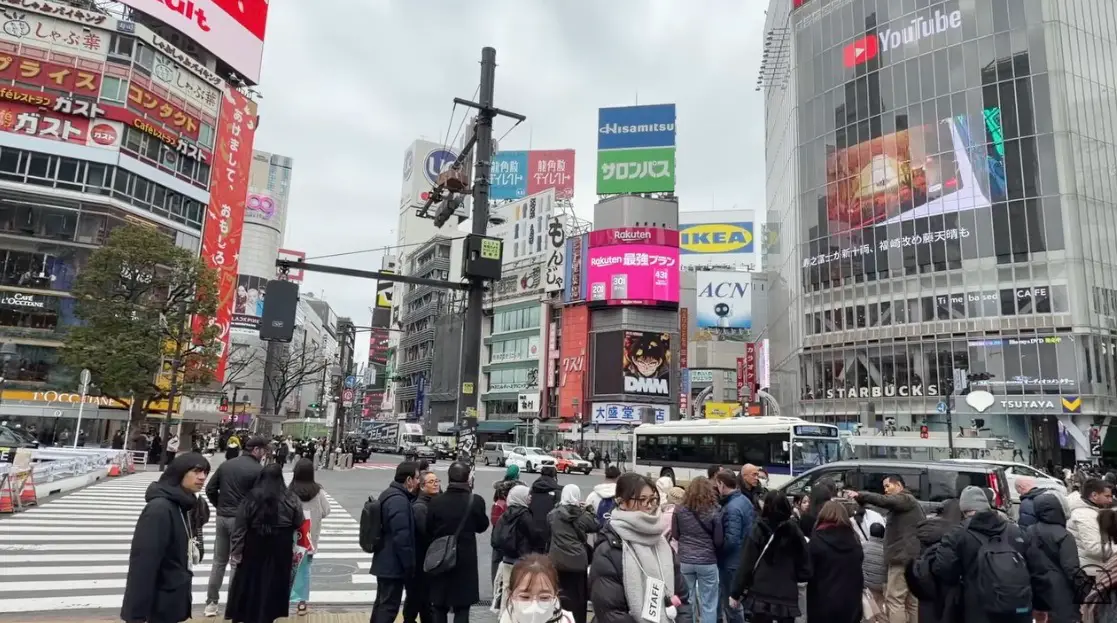
Tokyo is incredible. As a fairly basic North American, it felt like a completely different world. I’d plan time there at the beginning or end of the trip rather than treat it as an airport connection you rush through. The mountains are the main reason you booked, but that doesn’t mean they have to be the only experience you bring home. Give yourself a chance to explore. You’ve travelled all that way, and Tokyo is worth some of your time.
14. Keep Your Boots and Ski Outfit With You
My main gear tip is to carry your boots with you, within the airline’s cabin-baggage rules. If the ski bag gets delayed, renting skis is much easier than replacing the fit of your own boots. I also pack my ski outfit with them: gloves, goggles, pants, jacket and base layers. If my checked bag disappeared, I’d still have enough to ski. I might be short on underwear and getting creative with laundry, but the important stuff would be there. And if you’re planning backcountry skiing, bring the equipment for that part of the trip rather than arrive and wish you’d packed it.
15. Can You Do a Solo Japan Ski Trip?
I would have felt comfortable travelling and resort skiing in Japan by myself. The part where being solo would have limited my experience was backcountry access. Some of the skiing I wanted to explore needed partners, and going alone wouldn’t have been the answer. If that’s a big part of your plan, arrange suitable people or a qualified guide instead of assuming you’ll figure it out at a gate. You don’t need to be a backcountry skier to enjoy Japan. But for the kind of skiing I like, being able to explore beyond the ordinary runs added a lot.
16. Understand Restricted and Forbidden Zones
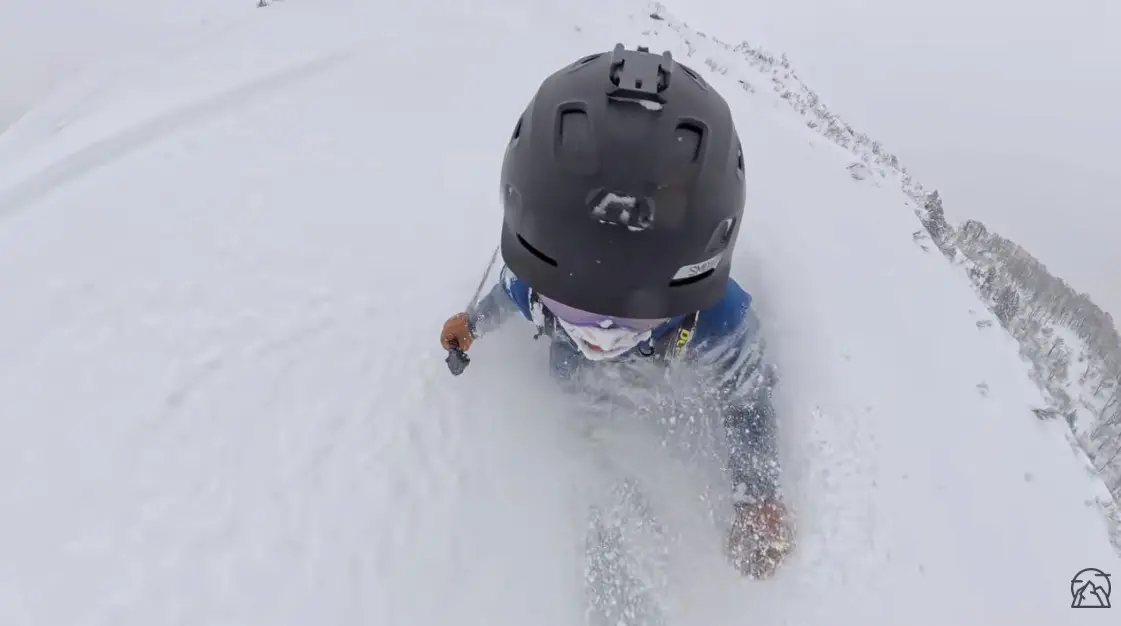
Japan’s off-piste rules were confusing because they changed between resorts. At places such as Hakuba Cortina, we could ski designated tree areas on the resort. At other mountains, much of the tree skiing was prohibited. During our visit, Hakuba 47 had a tree-skiing registration process that involved watching a video and getting the relevant permit. Some mountains also had backcountry gates, which are a different proposition from an approved resort powder area. Don’t assume one resort’s rules apply at the next. Ask staff, read the current policy and figure out the permitted areas before heading into the trees. Tracks don’t tell you whether a zone is open or allowed.
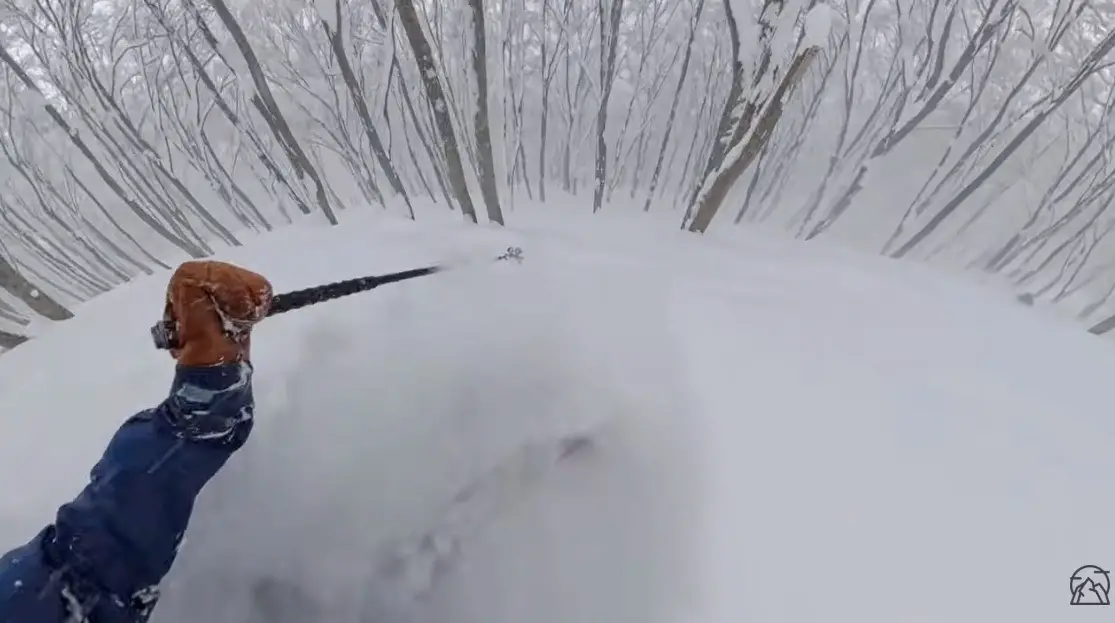
17. Backcountry Skiing in Japan
For expert skiers, the backcountry can be where you find some of the most interesting terrain and tree skiing. That was a big part of what appealed to me. But treat it like the backcountry anywhere else. Bring the equipment, have the training, make a plan and travel with experienced partners. Hiring a qualified local guide is worth considering when you don’t know the area. Deep snow doesn’t remove the hazards. Neither does being close to a resort. A backcountry gate isn’t permission to switch your brain off because the powder looks ridiculous. Rescue charges and insurance coverage also need checking for the places and activities you plan. I wouldn’t assume an out-of-bounds rescue is covered by a lift ticket or a standard travel policy. Get the details before you need them.
18. Be Ready for a Language Barrier
I was surprised by how little English there was in some of the places we visited. I probably shouldn’t have been, but I was. Hakuba felt easier in that respect, with more international visitors and businesses used to dealing with them. Elsewhere, we encountered hotels and restaurants with little or no English, including menus we couldn’t read. Learn a few polite phrases and have translation tools ready. I’m terrible at pronunciation, but I tried my best. Making an effort matters more than expecting somebody to understand louder English. You’re visiting their country. Be patient, be respectful and enjoy the fact that it feels different.
19. Après Might Look Different From Home
Don’t assume every ski town offers the Aspen party scene or Whistler’s Longhorn version of après. A lot of our evenings were more relaxed: a delicious meal, a beer and an onsen. That was part of what I loved. Some international resort towns have busier nightlife, but I wouldn’t choose every destination expecting that. Enjoy the scene that’s actually there instead of wishing it looked like home. And the Sapporo tasted pretty damn good.
20. Learn Onsen Etiquette Before You Arrive in a Swimsuit
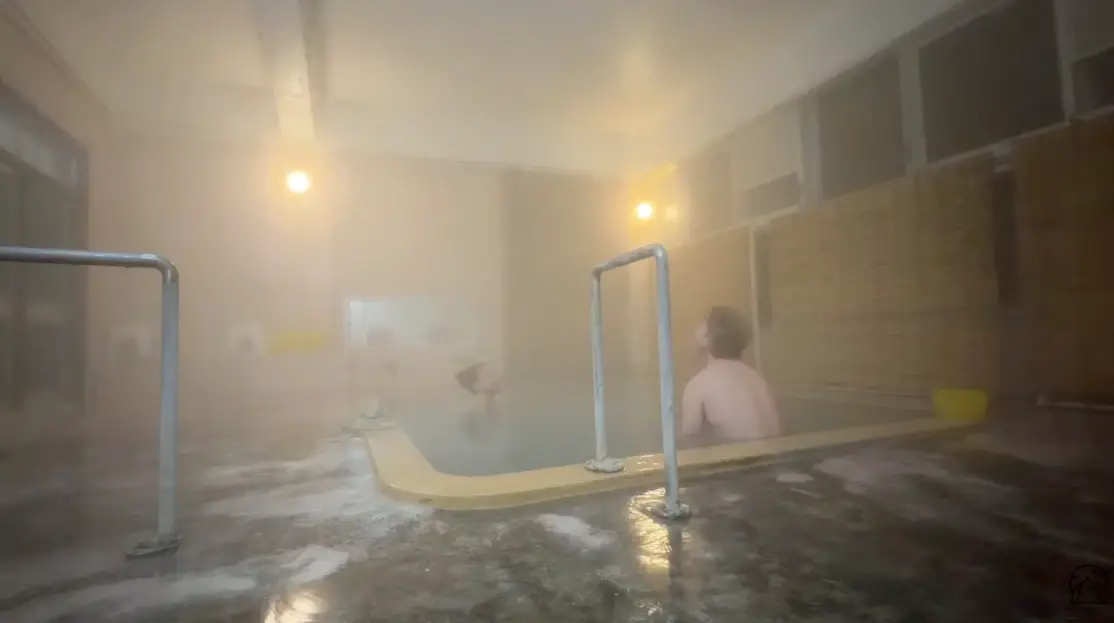
I brought a bathing suit. Jimbo laughed his ass off. Clearly, I had not done my research. The traditional shared onsens we used were nude bathing, usually separated by gender. You wash and rinse thoroughly before getting into the bath, rather than use the bath itself to clean up after skiing. It’s a quiet, respectful setting. Follow the facility’s rules, keep your towel out of the water and check any tattoo restrictions beforehand. Not every onsen has identical policies or access arrangements. Some local baths were free or donation-based, while others were part of our accommodation or charged admission. I thought soaking after a ski day was phenomenal. It became one of my favourite parts of the whole routine.
21. What Will You Actually Eat?
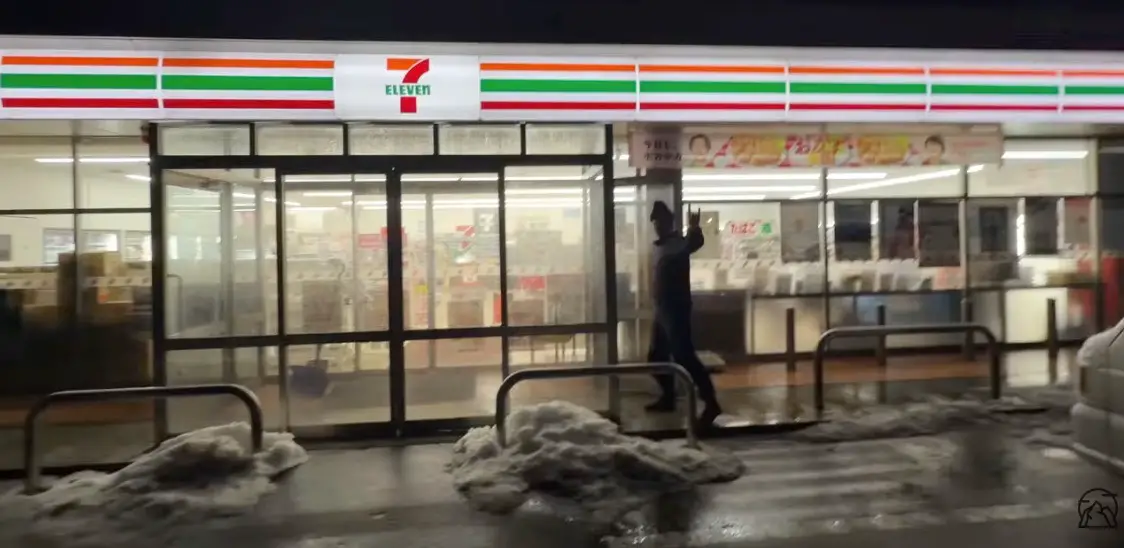
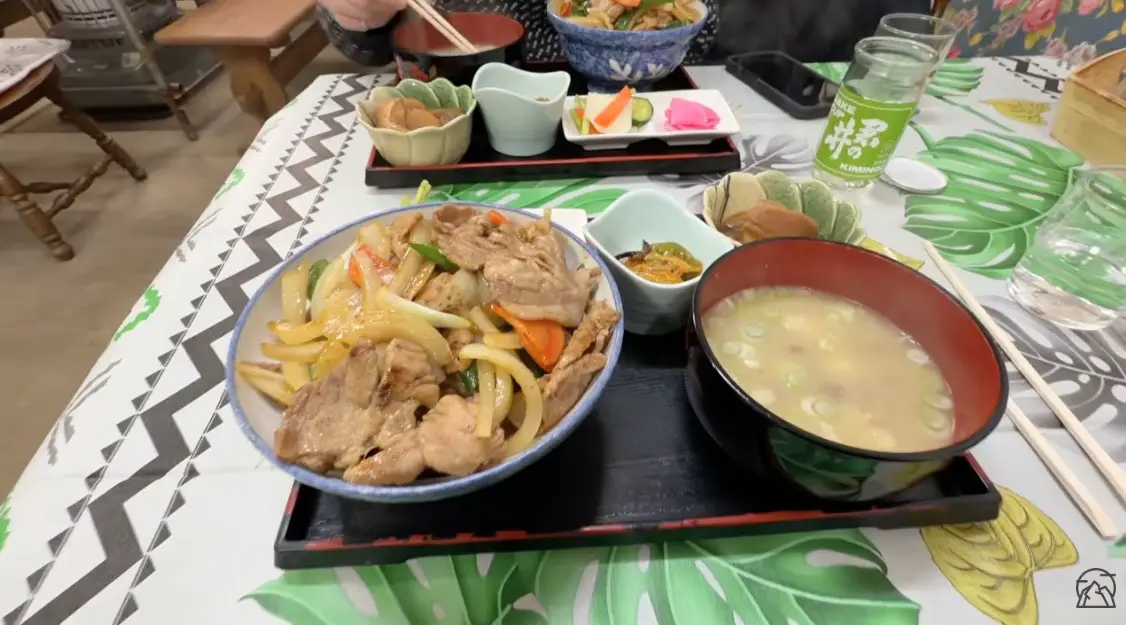
For some reason, I expected sushi everywhere. In the ski towns, that wasn’t what most of our meals looked like. We ate curries, chicken katsu, katsudon, rice, pork cutlets and miso soup. It was delicious, and the prices were a very welcome surprise. Then there were the convenience stores. Japanese 7-Eleven is not the same experience as the North American version. Onigiri, pancakes, smoothies and all sorts of useful food made it a brilliant stop when we were on the road. I’m not exaggerating when I say Jimbo and I ate at 7-Eleven for about sixteen days in a row. We went every day and didn’t get sick of it. Lawson and FamilyMart were options too, and I might actually be more of a Lawson guy. That’s a different argument. The point is that eating affordably didn’t feel like a miserable compromise. We enjoyed it.
22. Japan Felt Surprisingly Affordable
As a Canadian, having the exchange rate feel favourable was a rare and beautiful experience. On our trip, food was reasonably priced and consistently good. I felt like people took pride in what they served, whether the restaurant was busy or quiet. I even found resort lunches around CA$6, which felt pretty unreal compared with what I’m used to. Those are examples from my visit, not prices I can promise for your dates. The exchange rate, region and travel style all matter. But my food budget was much lower than I expected, and that changed how expensive the whole trip felt.
23. What Did My Japan Ski Trip Cost?
My total was roughly CA$3,500 for around two weeks, including flights, rental car, accommodation, lift tickets, food and beer. That was what I spent personally, with some costs shared with Jimbo. I’m not claiming everybody can recreate that total. We chose accommodation and transport that suited our budget, travelled as two people and weren’t building a luxury holiday. Still, it’s useful context. Before going, I worried the trip might be wildly expensive. What we actually did felt remarkably affordable for an international ski adventure.
24. Bring Cash Alongside Your Suica Card
Before going, I heard a lot about using Suica. It was useful for transport and purchases at participating places, but it didn’t replace cash everywhere. I kept needing to withdraw more yen. Jimbo would tell me we didn’t need more cash, then we’d find another local place where it was exactly what we needed. Have some on hand, especially if you want to eat and explore beyond the most international businesses. Cards and Suica are helpful tools, but I wouldn’t make them the only way I could pay. If you want Suica on your phone, check your device’s compatibility and the current setup process before relying on it.
25. Mistakes I’d Avoid Next Time
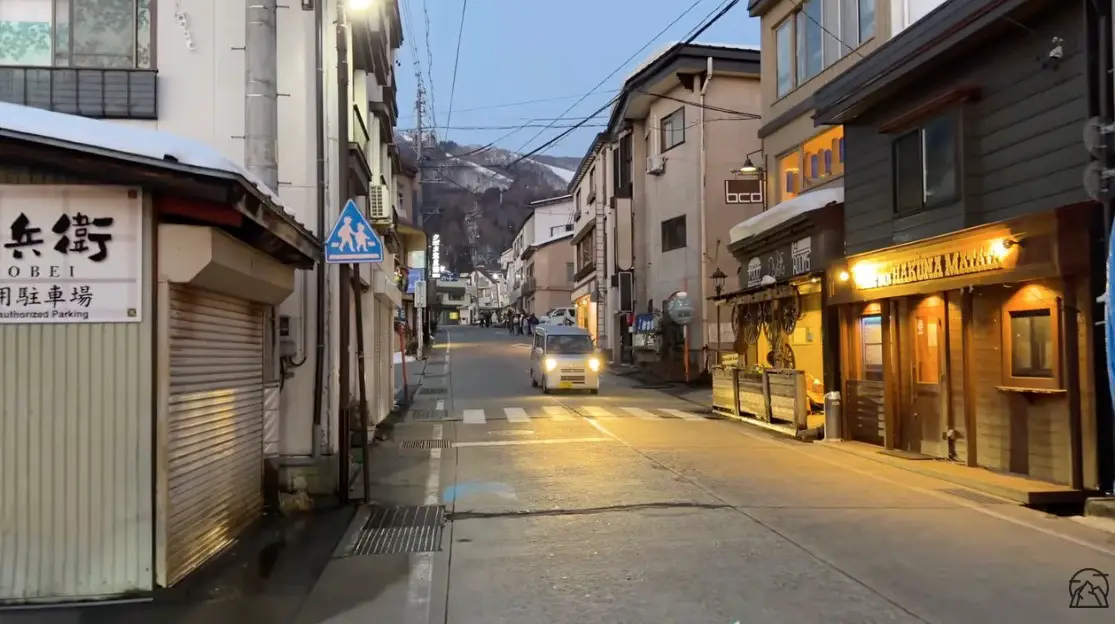
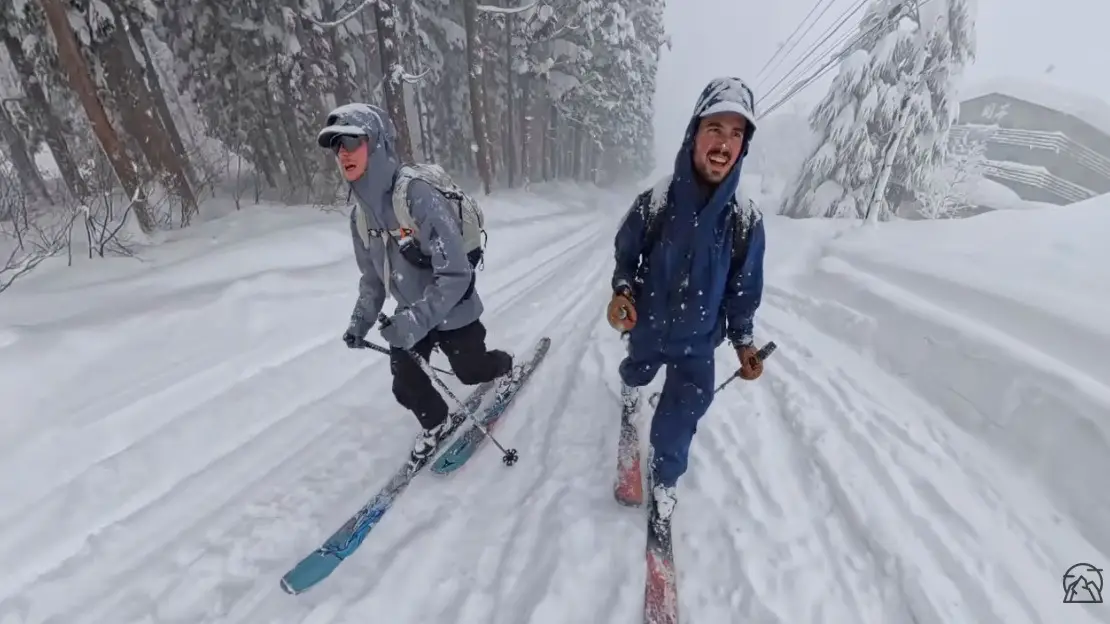
The first is obvious: I’d book accommodation and the rental car earlier. Leaving those until late made the planning much more stressful. The second is overcomplicating the itinerary. We actually did well here, leaving room to choose mountains and go with the flow. I’d keep that flexibility rather than assign every hour before arriving. Fuel caught us out. The stations we were relying on around Hakuba closed earlier than we expected, and we nearly ran out. Check local opening hours and fill up when you can rather than assume you’ll find something late in the evening. We also made a mistake during a massive storm when we couldn’t drive: we skinned along the streets. Locals were upset, and we learned that wasn’t appropriate. Don’t treat town roads as a touring route just because they’re covered in snow. Keep quiet and considerate on public transport, use designated smoking areas and pay attention to local expectations. We didn’t arrive knowing everything, and I’m not pretending this covers every custom. Do some research and be willing to learn when you get something wrong.
26. Set Expectations and Enjoy What You Get
My biggest recommendation is to stop expecting perfect Japanese powder every single day. Japan isn’t a powder factory that guarantees a refill overnight. You can travel there and miss the storms. That’s part of skiing anywhere, even somewhere with a massive reputation for snow. Go for the culture, the food and the experience too. If your only measure of success is how deep the powder gets, you’re putting the entire trip in the hands of the forecast. I had an incredible time, and the snow helped. But having an open mind about the whole experience matters. Enjoy what gets thrown at you rather than spend the trip comparing it with the impossible version you watched online.
Ask a Question or Leave a Tip
These are the things I noticed and the advice I’d give after my trip, rather than a set of rules for everybody visiting Japan.
If you’re planning to go and have a question, leave it in the comments. Somebody else might be wondering the same thing. And if you’ve been, share a tip or tell me where I should ski next.
I love chatting through this stuff, and there’s plenty more for me to explore.
Stay Spicy!
Watch The Entire Japan Series On YouTube: https://youtube.com/playlist?list=PLfmz48yCweUsTcCIA7bP78fj1rQyHhJZR&si=qE9ovYYlk-rBZI4S
Stickrbottle: https://www.stickrbottle.com/
Ski Sauce: https://www.skisauce.com/