Every skier has that one resort they think is overrated. The one everybody raves about, where you finally show up expecting your life to change and leave thinking, “That was it?”
These are mine. And yeah, some of them are going to piss people off.
Before you start throwing ski poles at your screen, this is my opinion based on the skiing I enjoy and the visits I’ve had. I want steeps, trees, natural features, long descents and terrain that makes me excited to get back on the lift. I don’t give a rats ass how fancy the hotel is or whether the village has heated sidewalks. Those things might make a great vacation, but they don’t make the skiing better.
None of these resorts are bad. Some are among my favourite places to ski. But a mountain can be incredible and still struggle to live up to the expectations attached to its name. This isn’t a ranking from slightly overrated to criminally overrated, either. It’s nine mountains where I think the hype needs a little extra context.
Table of Contents
1. Whistler Blackcomb
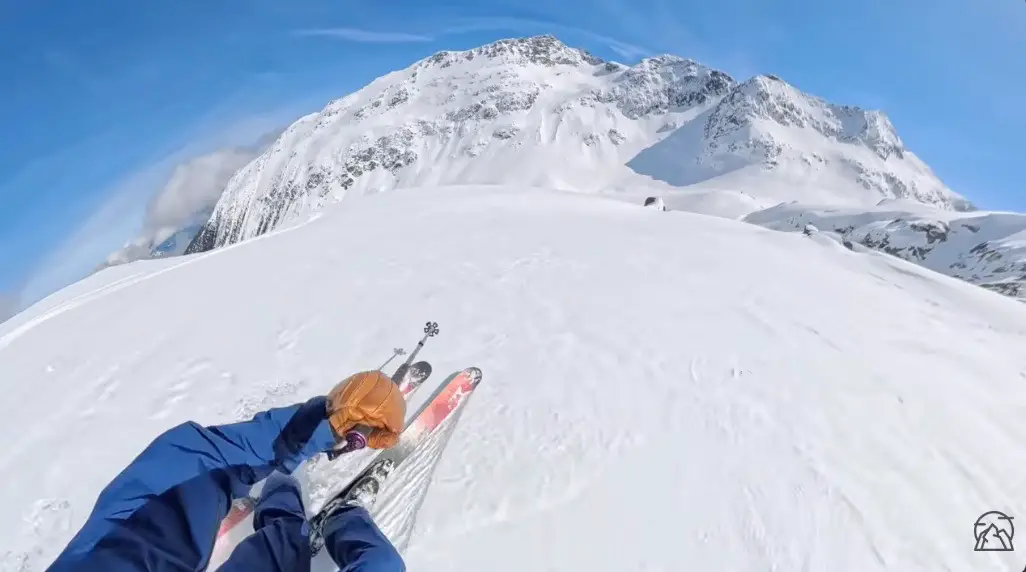
Let’s start by annoying everyone at my home mountain. Whistler Blackcomb belongs near the top of resort rankings for good reason. In my opinion, it has the best overall mix of terrain I’ve ever skied. Steeps, trees, groomers, bowls, glaciers, huge elevation changes and two mountains with completely different personalities. Add the surrounding backcountry, for properly equipped and experienced groups, and the possibilities are ridiculous.
When Whistler is on, it’s ON. It’s so good when it’s good that I still think it’s the best mountain on the planet. Even when conditions aren’t perfect, the variety gives you plenty of ways to salvage a day. You can move around, change elevation and hunt for whatever is skiing best.
The problem is that people hear “best mountain in the world” and assume that’s what they’re booking for their entire vacation. Whistler’s weather doesn’t give a shit about your vacation. You can get an incredible stretch of cold snow, or you can arrive during a warm, wet spell and spend the week wondering where the mountain from the videos went. And when the snow finally delivers, the lift lines can be brutal.
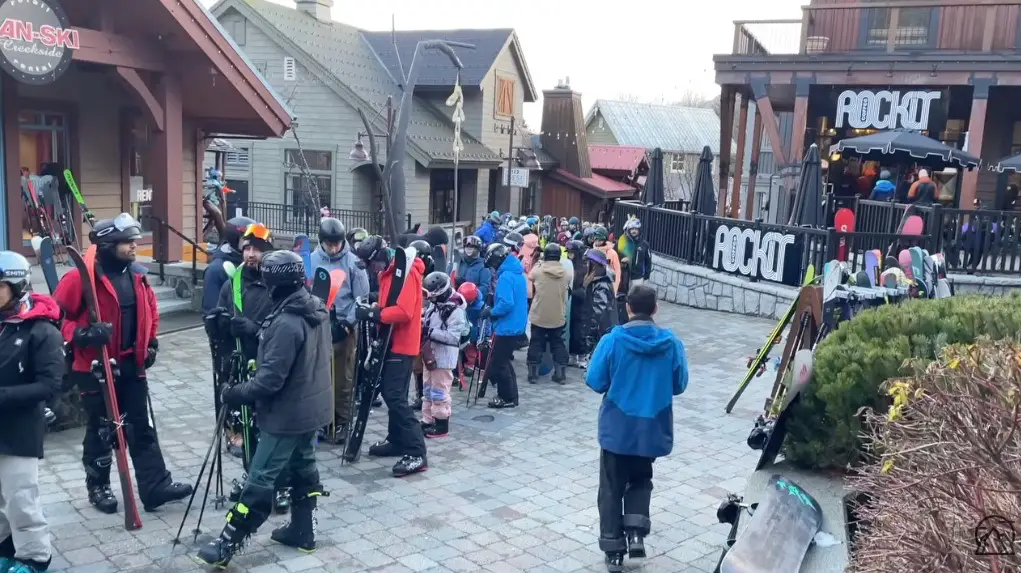
As a local, you can wait for those magical days and learn how to make the most of the others. As a visitor with one fixed week, you don’t have that luxury. That’s why I’m far more comfortable calling Whistler an amazing home mountain than promising somebody a flawless ski holiday. I wouldn’t blindly tell friends or family to book a week expecting seven days of world-class conditions. The ceiling is outrageous, but the mountain doesn’t hit it every day.
2. Revelstoke Mountain Resort
This one always gets me in trouble. Revelstoke has received so much attention that, before my first visit, I’d practically built it into a religion. I was expecting a ski mecca. What I found was a fun resort with some sick terrain, but a layout that didn’t match the mountain I’d created in my head.
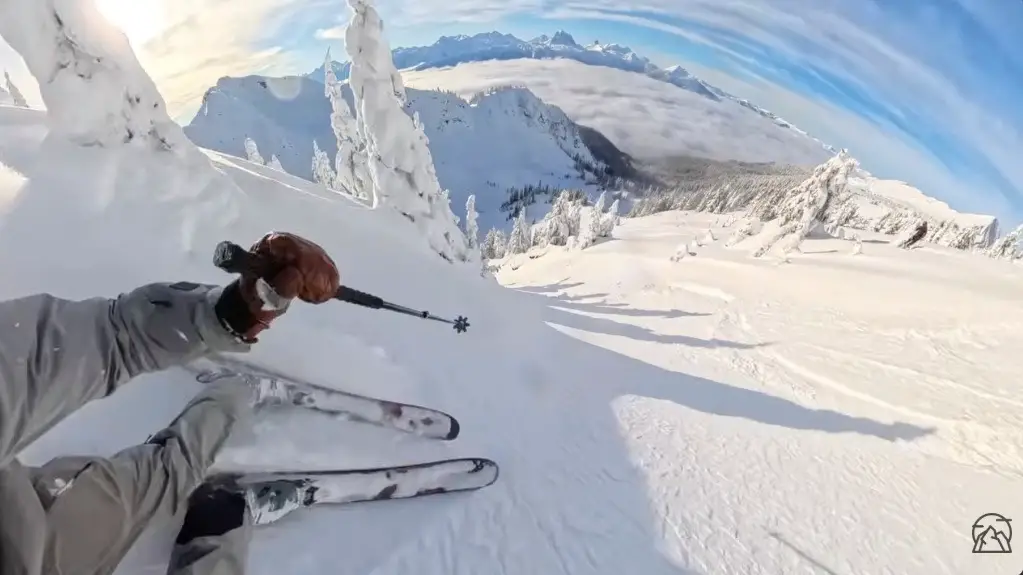
There’s excellent freeride terrain and seriously fun tree skiing. My issue is how the day flows. I found myself doing shorter fall-line sections, traversing and working back toward the lifts, rather than continuously cashing in on all that advertised vertical. A huge top-to-bottom descent is impressive, but it doesn’t automatically mean every lap delivers a huge amount of the skiing you came for.
On powder days, demand gets concentrated around the terrain and lifts everybody wants. There are plenty of hungry powder hounds, and fresh snow doesn’t stay untouched just because the resort has a big reputation. I also didn’t find the endless collection of expansive, extreme zones I’d imagined from the hype.
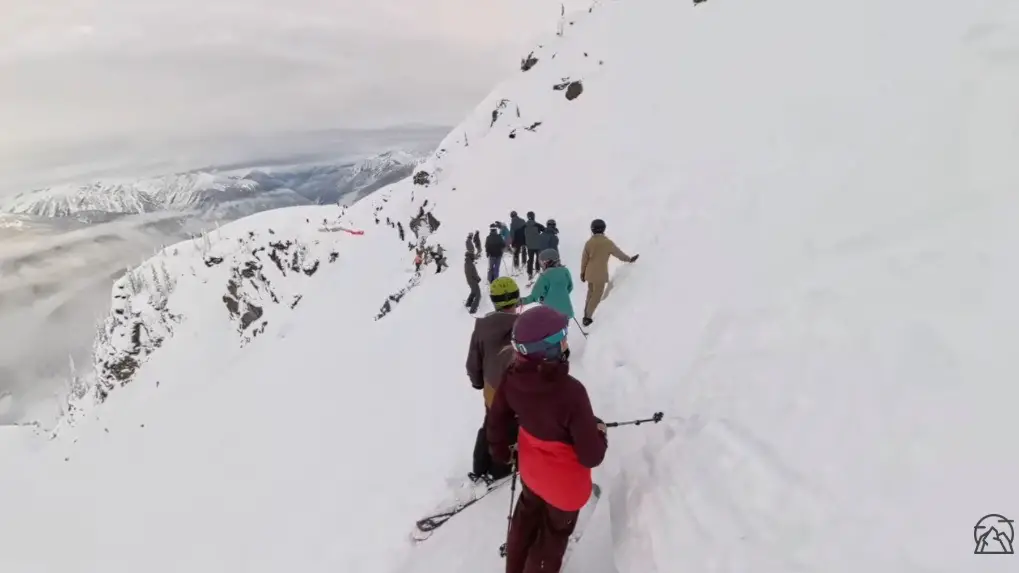
To be fair, my timing hasn’t helped. My powder experiences at Revy have mostly been around opening days, and the other visits haven’t delivered what I was hoping for. That’s my experience, not proof that nobody else gets amazing days there.
I think part of the disconnect is that Revelstoke the ski destination and Revelstoke the lift-served resort get rolled into the same conversation. The surrounding backcountry, sled access and proximity to Rogers Pass are a huge part of its appeal, but those are separate adventures requiring their own planning and skills. I absolutely understand wanting to live there. I just think the resort itself gets credited with some of the magic of the entire region.
3. Palisades Tahoe
Palisades has some of the most entertaining terrain I’ve ever skied. Steep pitches, technical lines and natural features everywhere. It’s the kind of mountain where you look around and immediately understand why so many incredible skiers came out of it. When the conditions line up, it’s fun as all hell.
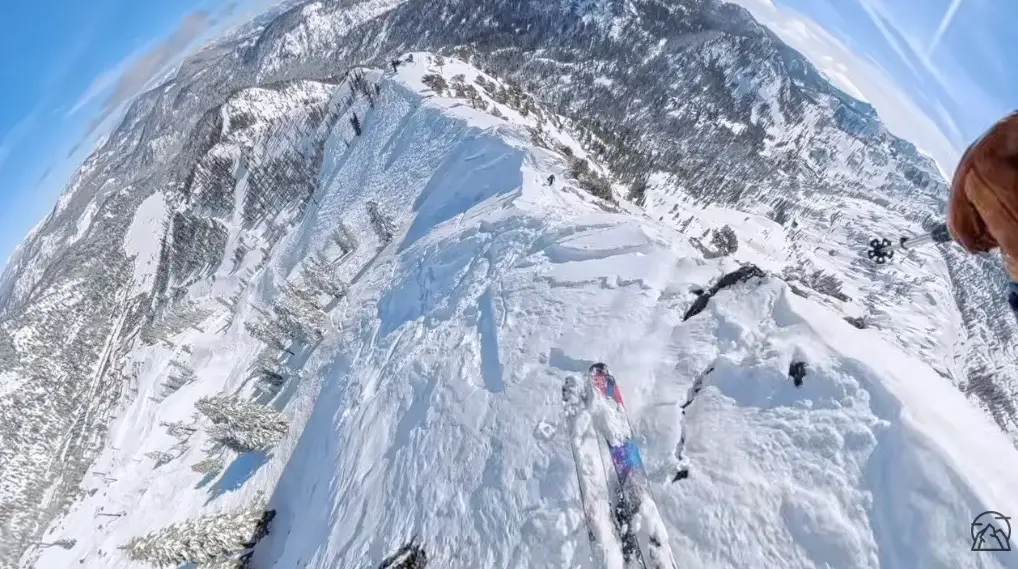
But it has a similar expectations problem to Whistler. Tahoe can feel like feast or famine. You might hit an outrageous storm cycle, or you might arrive to conditions that bear very little resemblance to the powder clips that convinced you to book. Corn snow can be fantastic, but it’s a different trip from the midwinter powder holiday you pictured.
My biggest issue, though, was the crowds. The traffic, the lift lines and the speed at which snow got tracked out were honestly unfathomable. I visited during a particularly busy period, and that matters. I’m not claiming every Tuesday looks like the day I was there. But I’ve seen Whistler at its worst and skied Snowbird and Alta during a major storm after a drought, and my Tahoe experience still stood out.
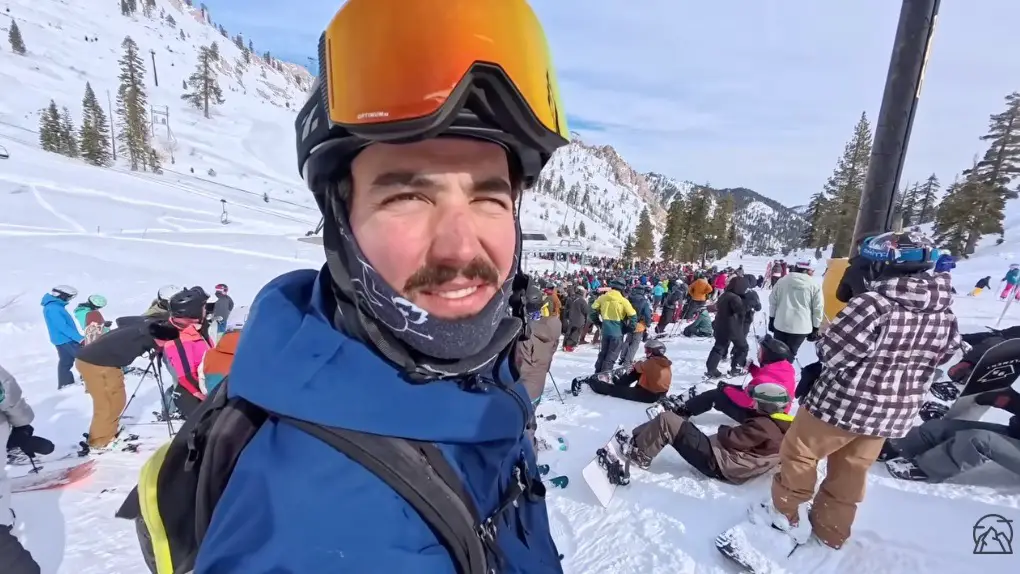
The Alpine side was a welcome improvement during my visit, although it wasn’t exactly deserted. Palisades absolutely has the terrain to justify its reputation. What disappointed me was how much of the day could disappear into the process of accessing it. Incredible skiing feels a little less incredible when you spend half your energy trying to get another lap.
4. Breckenridge
I had a blast at Breckenridge. The high alpine is a huge part of the appeal, and when you can get up there with good snow and visibility, there’s plenty to be excited about. But Colorado has a lot of skiing, and Breck wouldn’t be at the top of my personal list for an expert-focused trip.
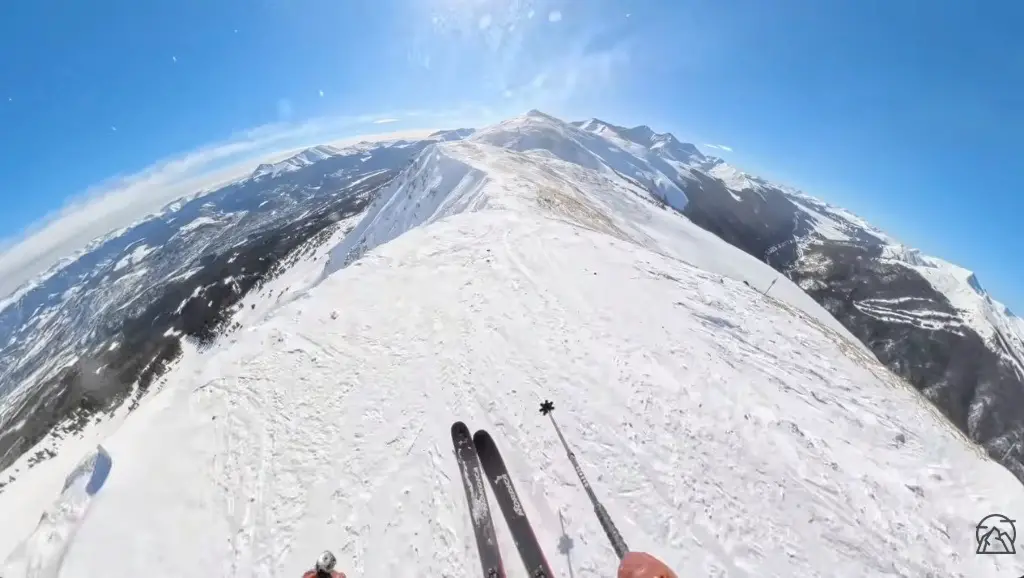
The lower mountain felt flatter than I wanted, and I didn’t find the same depth of tree-skiing options I look for when the alpine isn’t cooperating. There are trees at Breck, obviously. My issue is whether the available alternatives give me the kind of day I want when the upper terrain is off the table.
Wind, poor visibility and bitter cold can really change the experience up high. When the terrain you’re most excited about is closed or unpleasant to ski, the mountain starts feeling a lot smaller than the trail map suggests.
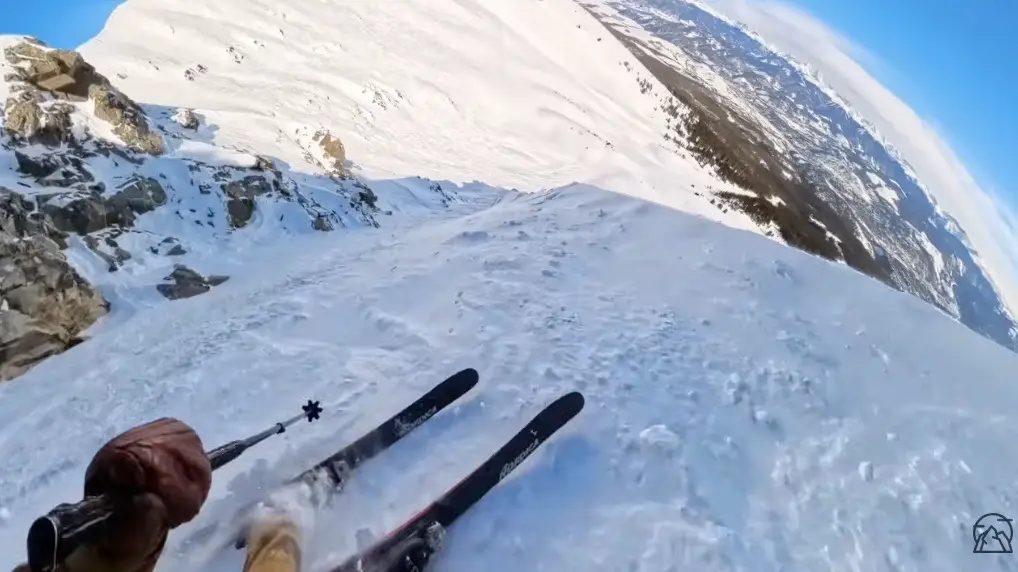
That’s the distinction for me: total acreage versus the terrain I actually want to lap. Breck can deliver a great day, but its overall size and fame set expectations that the expert skiing doesn’t always meet.
5. Big Sky Resort
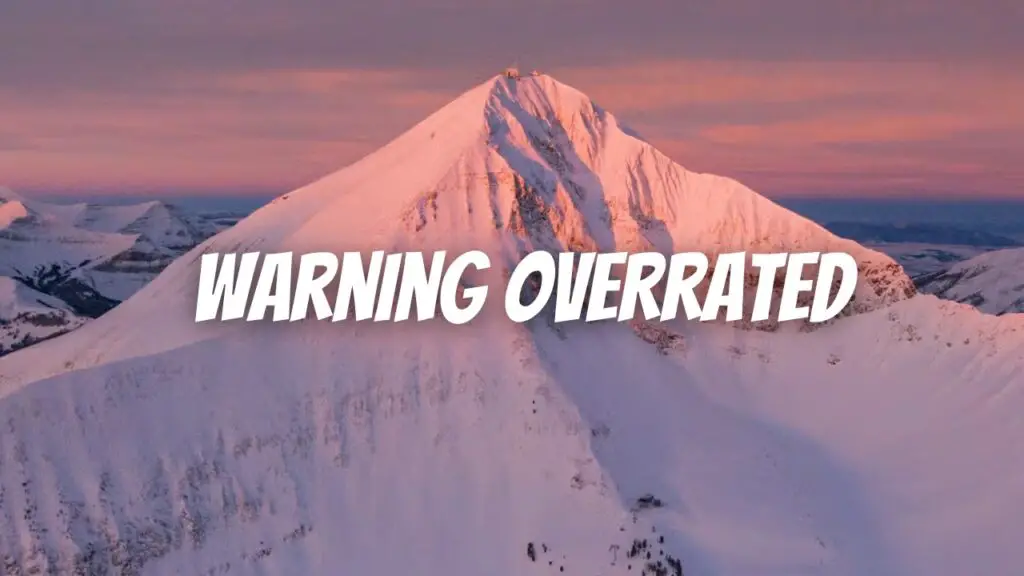
Big Sky looks like it should be the answer to every expert skier’s dreams. Lone Peak is dramatic, the terrain is enormous and some of the lines are properly serious. There’s no question that you can find incredible big-mountain skiing here.
What surprised me was how mellow a lot of the overall resort felt outside the standout expert zones. Lone Peak and the Headwaters were the areas that really grabbed me. Elsewhere, I spent more time on lower-angle terrain and connecting sections than I’d expected. As you’ve probably guessed by now, I like going down after I’ve gone up a chairlift. Ideally, quite a lot.
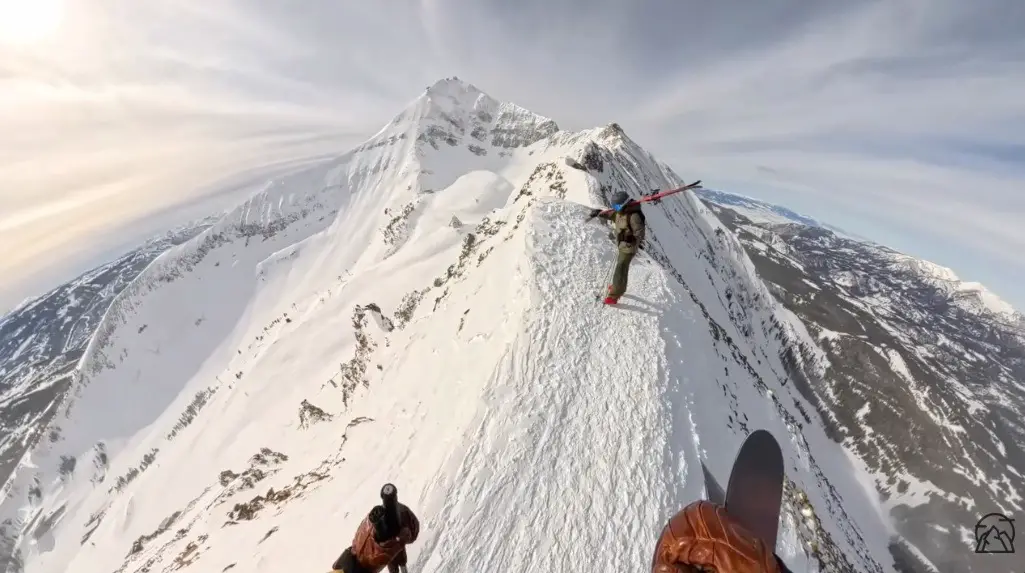
The best terrain also isn’t always easy to lap or available when you want it. Wind, coverage and operational holds can have a big influence on the day. Exposed rock can make some lines feel like an obstacle course for people who hate their ski bases. My experience of the snow was generally dry, but the depth and wind effect didn’t consistently deliver the dreamy surface I’d imagined.
Tram access adds another consideration. For the 2026–27 season, Big Sky’s standard winter lift tickets include the tram, while Ikon access doesn’t. Big Sky season-pass inclusions vary. That matters because, for me, access to Lone Peak changes the appeal of the trip significantly.
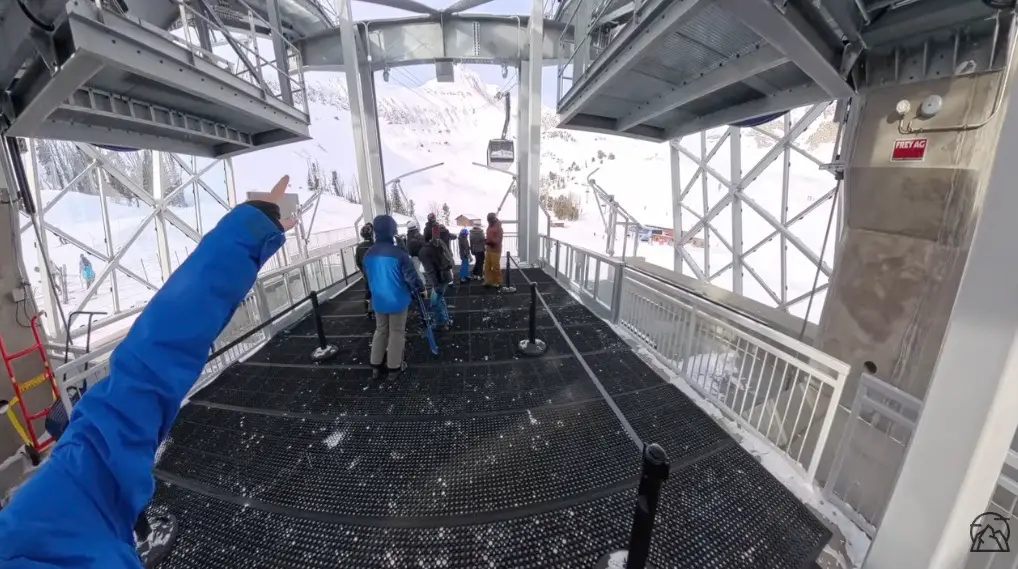
Big Sky also felt more polished and luxury-focused than the Montana ski experience I’d pictured. That isn’t the basis of my terrain verdict, but it added to the mismatch between expectation and reality. I can see how an expert skier arriving with good coverage, cooperative weather and the right access could have an unreal time. I just wouldn’t assume that the huge acreage guarantees that experience.
6. Vail
Vail might be the best intermediate ski resort I’ve ever visited. There’s loads of terrain, huge open spaces and an enormous amount of skiing that would make a lot of people very happy. I’d happily recommend it to Laura, my parents or someone who loves cruising and open bowls.
For my own expert-skiing preferences, it left me underwhelmed. The Back Bowls are wildly expansive, but I found many of the pitches and runs felt similar. I wanted more natural features, more technical puzzles and more terrain that made me stop and think about how I wanted to ski it.
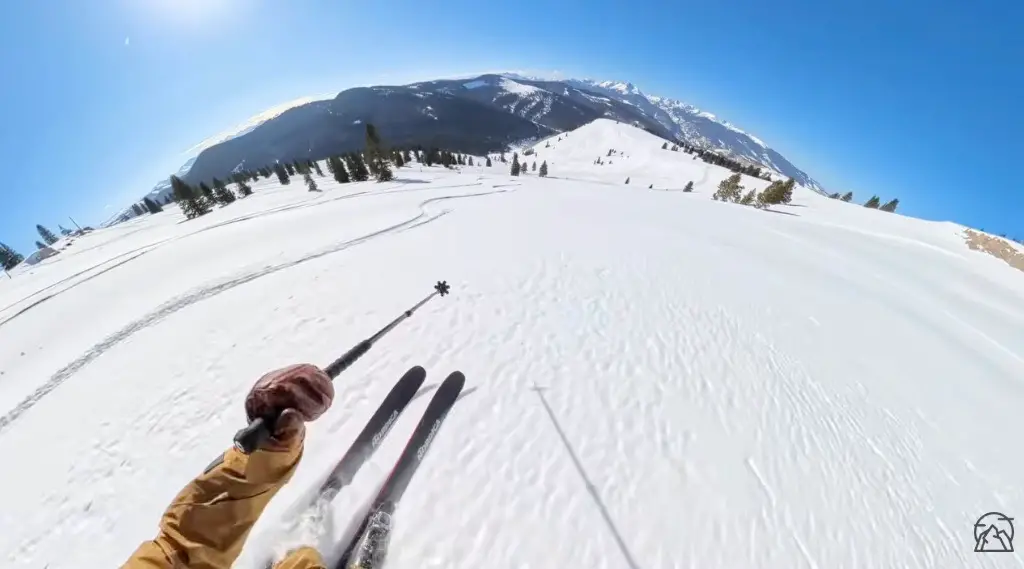
There are challenging pockets, and I’m not pretending an expert can’t have a great powder day at Vail. It just didn’t feel like the same kind of playground as mountains where steeps, chutes and features are the main attraction. The size impressed me more than the variety of expert skiing did.
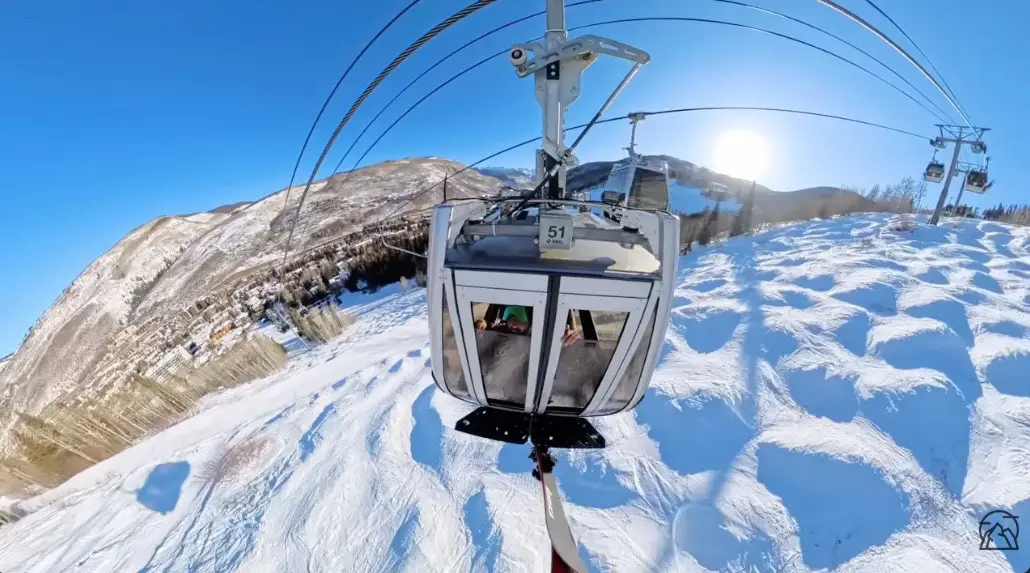
The whole experience also felt very polished and cookie cutter. The village looks like Walt Disney puked on it, which might be exactly what you want from a holiday. But I wasn’t there to admire the faux architecture. Vail is excellent at serving a huge range of skiers. I just don’t think its reputation automatically makes it a top choice for somebody chasing technical terrain.
7. Park City Mountain
Park City was a huge serving of underwhelming for me. Growing up in Canada, it was one of the Utah names I heard most often. That recognition created expectations that the skiing didn’t come close to meeting. What stood out was how often runs flattened out. I’d get into something fun, then find myself on a mellow section or connecting trail. Across a mountain that big, I kept wanting more sustained pitch and more expert terrain to get excited about. Jupiter and McConkey’s gave me some of the skiing I was looking for. But a handful of fun areas, spread across an enormous resort, didn’t make the whole experience feel like an expert skier’s dream. I spent too much time moving between the interesting bits. I understand why Park City works for a ski vacation, especially with a group of mixed abilities. There’s room to explore and plenty of terrain that doesn’t demand expert skills. But for the kind of skiing I want, the gap between its famous name and my actual day on snow was massive. Big doesn’t necessarily mean exciting.
8. Banff Sunshine Village
Sunshine is one of my favourite resorts on Earth, so putting it here feels slightly ridiculous. Pair it with Lake Louise down the road and I could happily keep myself entertained for a very long time, especially in a good snow year.
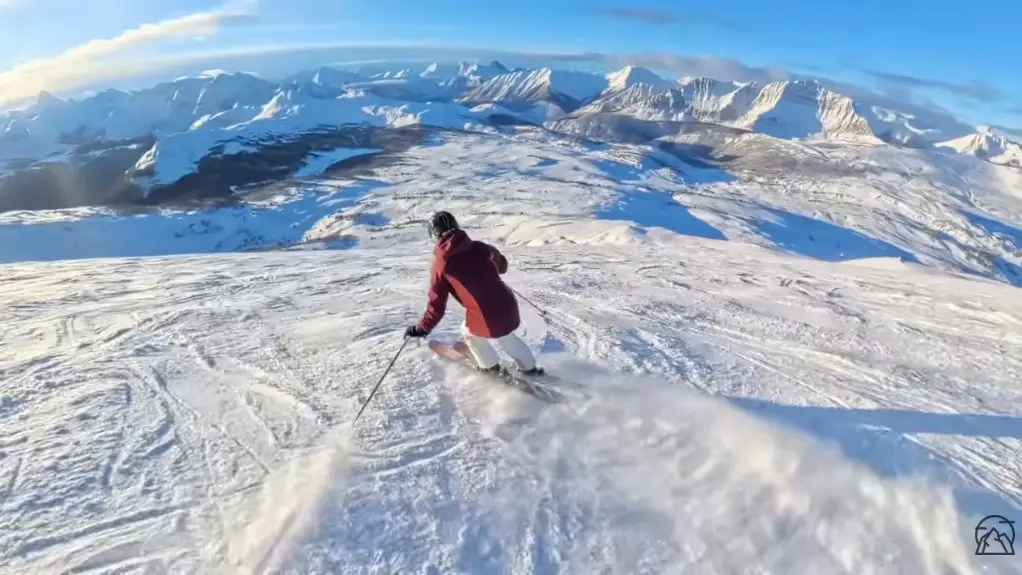
But it has limitations that an expert skier should understand before arriving. Much of the appeal is in the open alpine, and flat light can turn that beautiful landscape into a giant white guessing game. When the visibility disappears, I don’t find the same range of sheltered tree-skiing alternatives that I enjoy at some other mountains.
Then there’s the expert terrain. Delirium Dive and Wild West are a huge part of what makes Sunshine special, but they aren’t ordinary runs you can casually wander into. The resort requires an avalanche transceiver, shovel, probe and a partner, along with following the zones’ access and safety rules. You also need the ability and knowledge to use that equipment. Their availability depends on conditions.
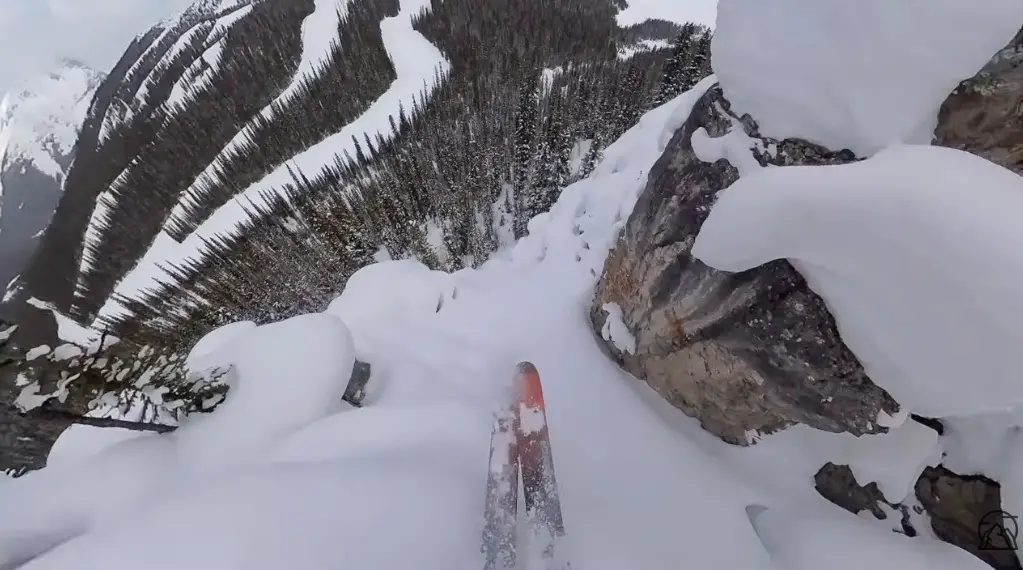
There is challenging skiing outside those zones, but if the freeride areas are closed or you aren’t prepared to access them, the expert experience is a different proposition. An intermediate skier might still be having an absolute gas while you’re staring at the terrain you came to ski and wishing you could get into it. I love Sunshine, but the version I love most isn’t guaranteed to be available on every visit.
9. Aspen
Aspen comes with enormous expectations and, depending on how you travel, an enormous bill. I was crashing in a van, which helped keep my version of the trip a little less financially traumatic. But if you’re paying Aspen vacation prices specifically for expert skiing, I think it’s worth understanding what you’re buying.
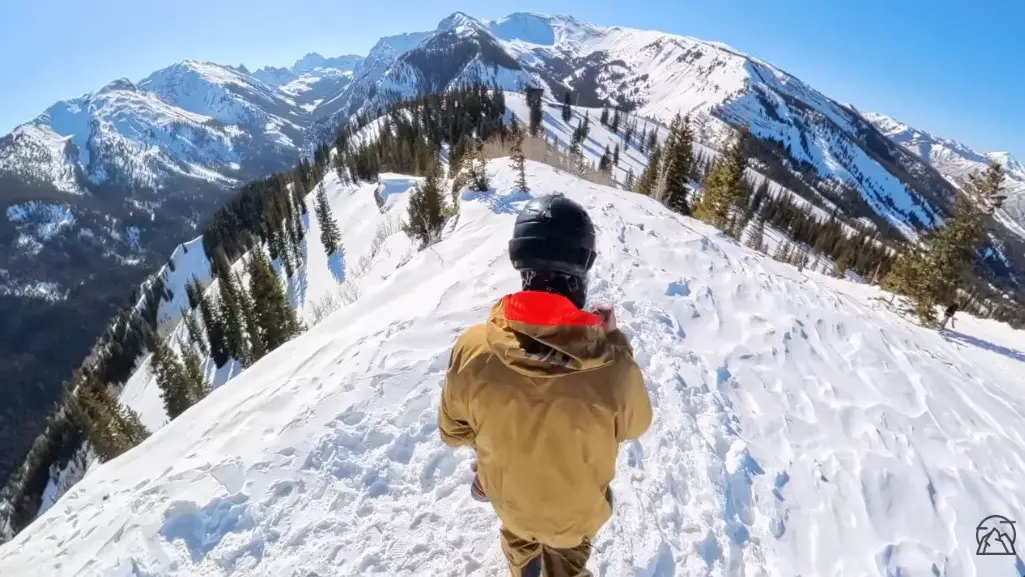
Aspen Snowmass is four separate mountains: Aspen Mountain, also called Ajax, Aspen Highlands, Buttermilk and Snowmass. They aren’t connected by ski lifts, although free buses connect them, so you don’t need to drive yourself between bases. The variety is a strength, but you can’t seamlessly ski all four as one giant mountain.
Highlands was the standout for me. Highland Bowl is incredible, with serious terrain and some of the coolest views in skiing. But accessing the upper Bowl involves a hike, which changes the pace of the day if you’re hoping to rack up lift-served laps. Outside the Bowl, I found the lift-served footprint more compact than I’d expected, and plenty of the skiing was bumped up. I love moguls, but sometimes I’d like my legs to experience a different emotion.
Snowmass gave me loads of room to explore and some phenomenal groomers. There’s expert terrain in places like the Cirque and Hanging Valley, but the overall mountain didn’t feel as consistently technical or distinctive as I’d hoped. Aspen Mountain has its own steep and bumpy character, while Buttermilk serves a different purpose with its beginner-friendly terrain and parks.
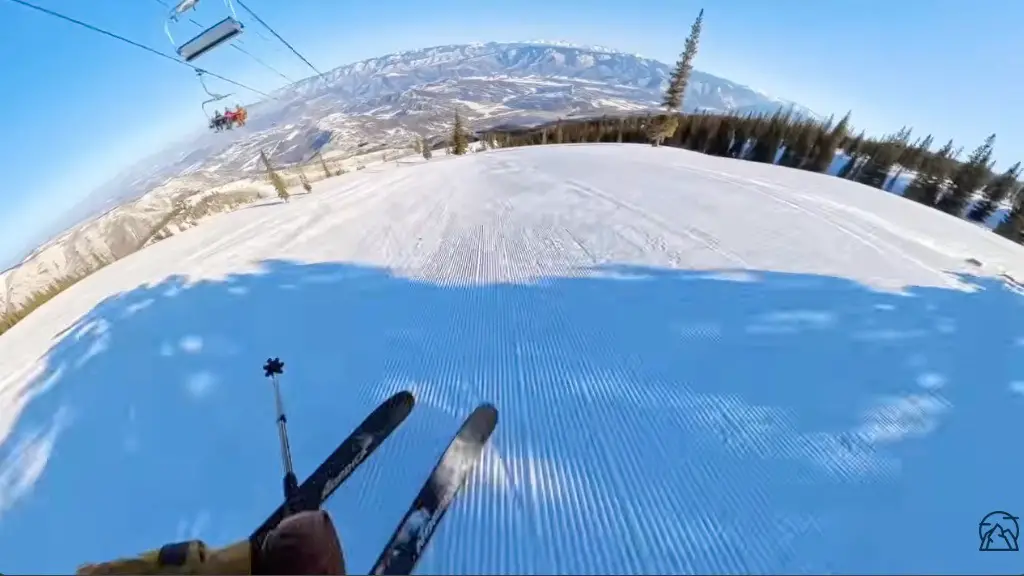
Taken together, the four mountains can make a fantastic trip. My issue is that the enormous reputation of “Aspen” can make you imagine one enormous, continuously exciting expert playground. That isn’t how it skis. Some of what you’re paying for is the destination around the mountains, and if that stuff doesn’t matter to you, the value feels different.
Hype Isn’t the Whole Mountain?
The common thread here is expectations. A huge resort isn’t necessarily full of terrain you want to ski. A legendary mountain won’t necessarily deliver legendary conditions during your week. And a destination famous for backcountry skiing doesn’t automatically have the lift-served experience you’re imagining.
For an expert skier, I think the useful question is what the mountain offers on a normal day, not just the day everybody puts in their highlight reel. How much terrain will you actually want to lap? What happens when the alpine closes? How does the resort ski when visibility is bad or the powder is gone?
I’ve had fun at these mountains, and I’d return to plenty of them. Whistler is still my home mountain. Sunshine is still one of my favourites. Palisades still has terrain that makes me grin just thinking about it.
But I’d rather arrive with realistic expectations and be blown away than book the supposed best ski trip on Earth and spend the week wondering what I’m missing.
Which resort didn’t live up to the hype for you? And which one on this list have I got completely wrong?
If you want to watch me ski all of these resorts, follow us on the YouTube Channel: https://youtu.be/q2kV1f97VuI?si=sowVtO-TvYAWzfy3
Stay Spicy!
Stickrbottle: https://www.stickrbottle.com/
Ski Sauce: https://www.skisauce.com/