Every generation of skiers seems to say the same thing: there used to be more snow, fewer crowds and better skiing. Listen long enough and you’d think the past was an endless cycle of bottomless powder, empty chairlifts and lift tickets that cost three dollars. Apparently nobody ever skied ice, waited in a line or spent an entire morning freezing their ass off on a slow double.
But were the old days actually better? Or are we comparing an ordinary ski day now with the greatest hits of somebody’s entire skiing life? I think there’s truth on both sides. Some parts of skiing have improved enormously. Others have become more frustrating. And a few things we miss might have more to do with who we were than what the mountain was doing.
The snow, the crowds and the experience are three different questions. So let’s stop bundling them into one giant “back in my day” complaint and figure out what’s actually changed.
Table of Contents
1. Did It Really Snow More Back Then?
There isn’t one answer that works for every mountain. Snowfall has always varied between seasons, and the long-term changes depend on the region, elevation and period you’re comparing. But that doesn’t mean climate concerns are imaginary. Canada’s Changing Climate Report documents declining snow-cover duration across much of the country and a national decline in seasonal snow accumulation over its 1981–2015 study period, with important regional exceptions. That’s a real change, not just somebody remembering their favourite powder day.
The distinction is that snow accumulation, snow-cover duration and a resort’s annual snowfall total aren’t the same measurement. A mountain can receive a big storm total and still suffer from rain, melt or a shorter season. Higher terrain can hold winter conditions while the lower mountain struggles.
So I wouldn’t confidently tell an older skier they’re wrong about changes at their home hill. They might have watched them happen. But “it used to snow more everywhere, every year” is too broad. You need to look at the place and the evidence.
2. Monster Winters Still Happen
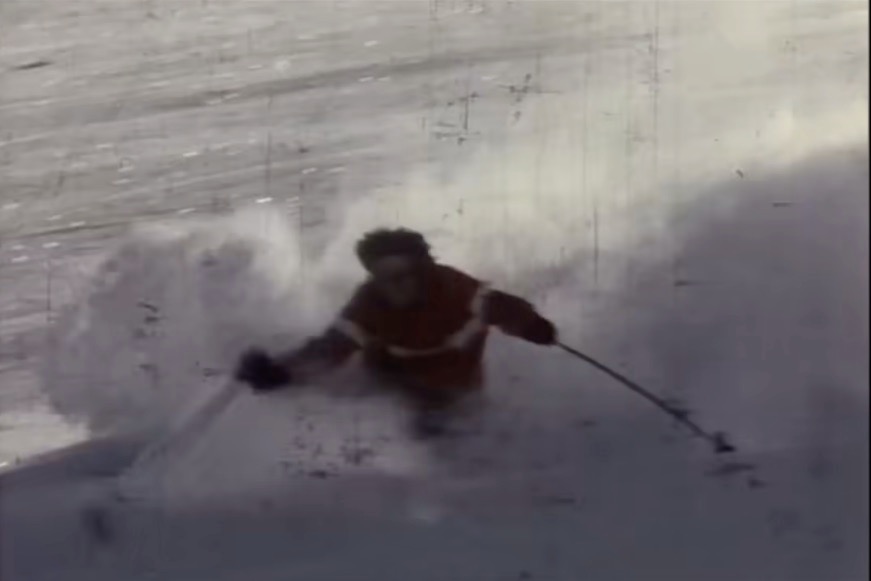
Modern skiing hasn’t run out of ridiculous winters. Alta recorded 903 inches of snowfall in 2022–23, its snowiest season on record. That’s almost 23 metres. Enough snow to make even the most committed “you should’ve been here in 1987” guy pause for a second. A season like that doesn’t cancel out a warming climate. One huge winter isn’t a long-term trend, just as one terrible winter doesn’t tell the whole story.
But it does challenge the idea that the best skiing is permanently behind us. There are still seasons when the mountains deliver more snow than anyone knows what to do with. The useful question is how dependable the skiing is over time, not whether we can still find an outrageous storm photo. Amazing modern seasons and worrying long-term changes can exist at the same time.
3. We Don’t Actually Ski Annual Snowfall
An annual snowfall number looks great on a resort website. It tells you something about the mountain, but it doesn’t tell you what your Tuesday is going to feel like.
Did it snow this week? Was it cold enough? Did it rain afterwards? Did the wind hammer the slope? Is the terrain open? And how many people got there before you? Those are the questions that decide whether I’m having a powder day or skiing a frozen disappointment with a very impressive seasonal snowfall total.
Resort comparisons can also be messy. Measurement location, elevation and the years used for an average all matter. A figure from high on the mountain doesn’t necessarily describe the snow at the base. Ski resorts don’t always lie about snowfall, but they definitely know how to present optimism. I care more about the conditions I can actually ski than the number printed beside a photo of somebody disappearing into powder.
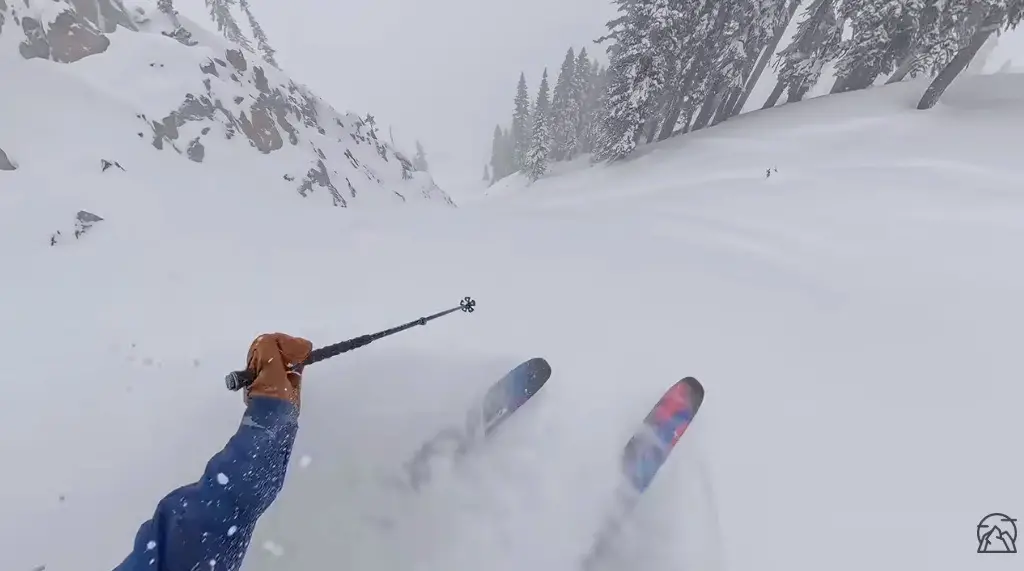
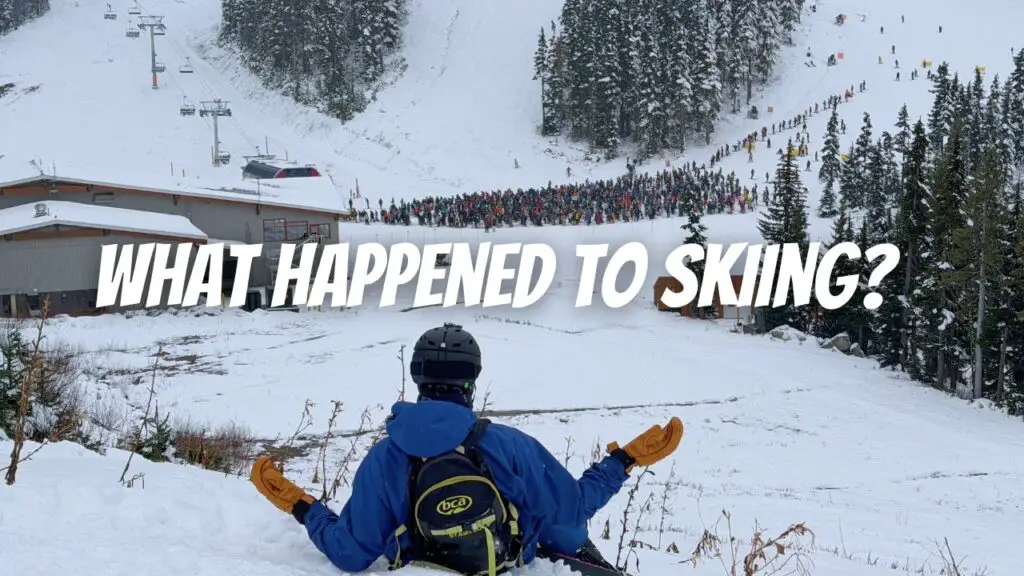
4. The Crowds Aren’t Entirely in Your Head
There’s evidence behind the feeling that modern skiing can be busy. The National Ski Areas Association recorded about 65.4 million U.S. skier and snowboarder visits in 2022–23, the highest total in its historical series through 2024–25. The 2024–25 season recorded about 61.6 million visits.
But the history isn’t a neat line shooting upwards. The U.S. also recorded roughly 60.5 million visits back in 2007–08 and 2010–11. Skiing didn’t suddenly double in popularity the moment somebody invented a multi-resort pass. A visit also means one person skiing or snowboarding for a day, not one unique person. More visits can mean more people participating, existing skiers going more often, or both.
National totals don’t prove that your favourite chairlift is busier. They do show that recent demand has been strong. Where those visits happen, which days people choose and how much terrain is open matter enormously. Grandpa might be exaggerating the snow. But I’m not going to dismiss his memories of a more relaxed powder day just because the national numbers are complicated.
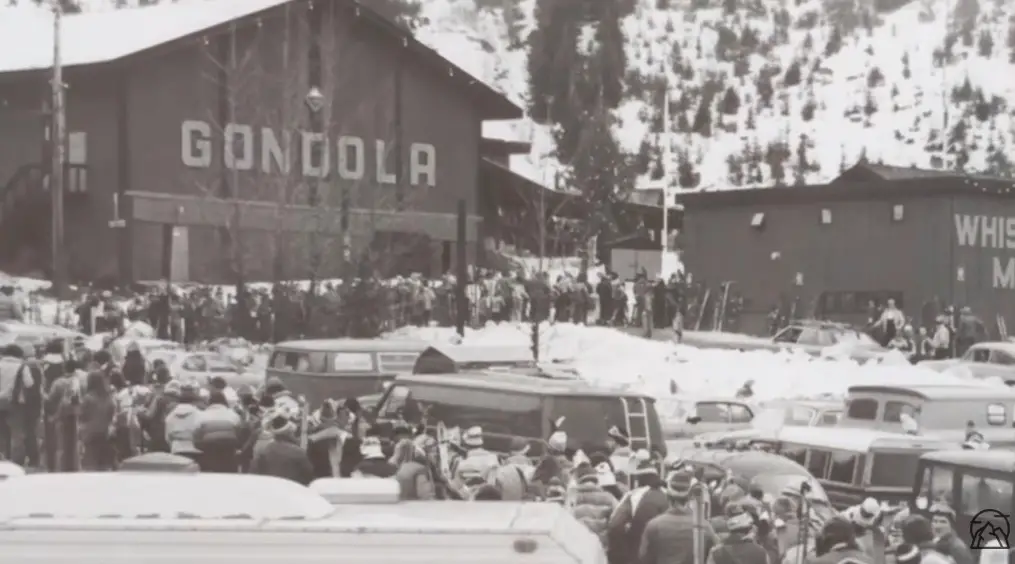
5. Everybody Wants the Same Good Day
Crowding isn’t just about how many people ski in a season. It’s about how many people want to ski the same mountain, on the same morning, after the same storm. Multi-resort passes make it easier for their holders to choose between mountains. Forecasts help people spot the best opportunities. Social media shows them what happened yesterday and what they might miss tomorrow.
Those tools are useful. I use them too. But I think they also help concentrate attention on the days and places that already have the most appeal. A famous resort might feel quiet on an ordinary weekday and completely overwhelmed when the weather lines up. If you’re a storm chaser, you’re deliberately selecting the days most likely to attract other storm chasers.
That’s part of why “the average season” and “my experience of the best days” can tell different stories. You might not care whether the lodge was empty last Wednesday if the powder morning you took off work turns into a queue-management exercise.
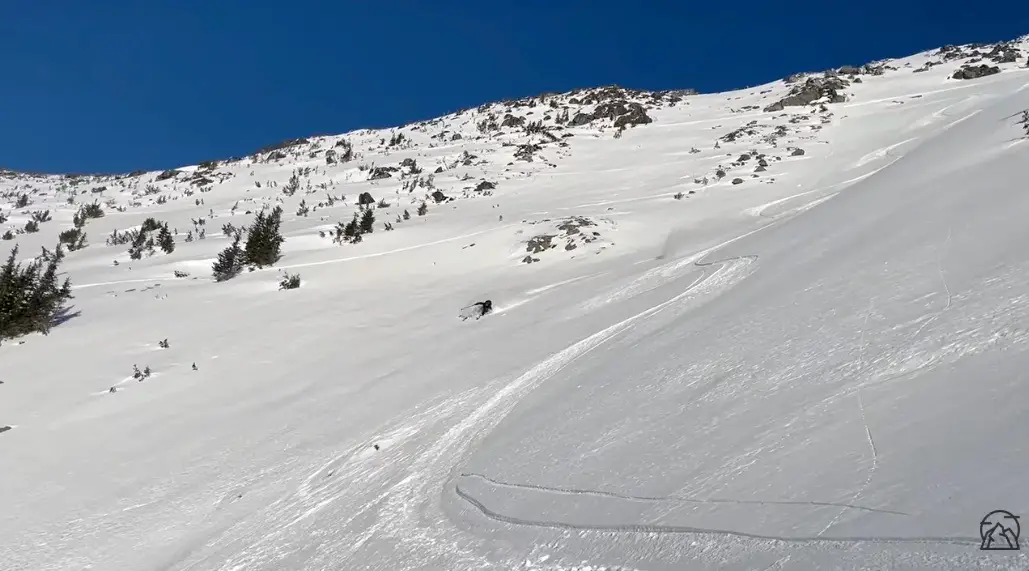
6. Better Lifts Can Make Powder Disappear Faster
High-speed chairlifts are awesome. I like skiing more, and spending less time freezing on a chair is a pretty good way to achieve that. But lifts don’t produce fresh snow. They move people back to it. If an upgrade delivers more skiers per hour to the same powder terrain, those skiers can put in more tracks. The thing that improves my day by giving me extra laps also improves everybody else’s ability to ski the snow I wanted. That doesn’t mean every lift upgrade destroys a mountain. Better capacity can reduce queues, and new terrain can spread people out. The outcome depends on the layout and where everybody goes. Still, there’s a real trade-off. We want fast lifts, short lines and untouched snow that lasts all day. Sometimes those wishes are fighting each other.
7. Better Gear Has Made Powder More Accessible
Modern ski equipment has changed what a lot of people can enjoy. Wider skis offer more float, and rocker can make soft-snow turns more manageable. You still need technique, but powder doesn’t punish every mistake in quite the same way as it can on narrower, less forgiving equipment. That’s a good thing. I don’t want people excluded from fun skiing just because I’d prefer fewer tracks in front of me.
But it does create another powder paradox: when more people can enjoy the terrain, more people will ski it. Better equipment helps me have a great day, and it helps the skier beside me have one too. So when somebody says powder lasted longer years ago, snowfall might only be part of the explanation. Access, equipment and how efficiently people could ski the mountain matter as well.
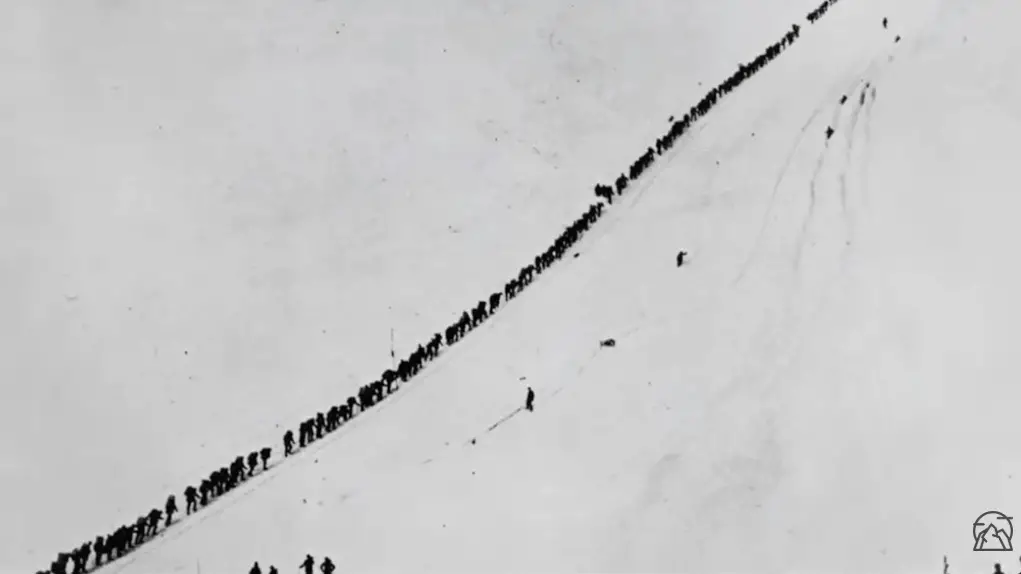
8. The Internet Changed the Surprise
There’s something nice about discovering a run without already knowing exactly what it looks like. Now you can watch someone ski a mountain from the other side of the world, check the forecast and arrive with a list of areas you want to explore. That’s useful, especially when you’ve got limited time and money for a trip. But it changes the experience. Places feel familiar before you’ve been there, and a good day can become visible to thousands of people almost immediately. Some of the mystery disappears. I’m fully aware of the irony coming from a guy whose job is filming ski adventures. I love sharing these places, and those videos help people plan trips and get excited about skiing. I can appreciate that while acknowledging the trade-off.
9. Skiing Can Feel More Expensive and Less Spontaneous
Cost deserves its own place in this conversation. A ski holiday includes far more than a lift ticket. Accommodation, food, equipment and travel all affect whether getting to the mountain feels achievable. The comparison with the past depends on the mountain, the product and whether you account for inflation. A season pass can offer good value to somebody skiing constantly, while a casual visitor buying a ticket for one day faces a very different calculation. That’s why I wouldn’t use one expensive ticket to declare that every version of skiing has become less affordable. But I understand why people miss the feeling of casually deciding to ski without making it a major financial event. If you’ve spent a lot to be there, a bad day also feels worse. Rain and lift lines are annoying enough without mentally calculating what each disappointing run cost you.
10. Your Memory Has Probably Edited Out Some Garbage
When we remember skiing years ago, we tend to reach for the good stuff: the deep day, the perfect crew and the run we’re still talking about.The ordinary days don’t always get the same airtime. Neither do the cold chairs, uncomfortable boots or afternoons when the snow was rubbish and nobody wanted to admit it. I think it’s easy to compare today’s full experience with yesterday’s highlight reel. The lift line I stood in this morning feels very real. A boring queue from years ago probably isn’t the first memory that comes to mind. That doesn’t make every complaint nostalgia. It just means the past gets a slightly unfair advantage when it’s allowed to submit only its best clips.
11. You’ve Changed Too
Your first powder day is hard to beat. You don’t have a spreadsheet of better powder days in your head yet. Everything is new. As you get more experienced, you notice more. You know which snow you prefer, which terrain excites you and exactly how much traversing you’re willing to tolerate. That knowledge makes you better at finding good skiing, but it can also make you harder to impress. A day that once would have blown your mind might now feel average because you’re comparing it with the best day you’ve ever had. Maybe the mountain changed. Maybe you changed. Often, I think it’s both.
The challenge is keeping your standards without losing the ability to enjoy a day that isn’t perfect. Not every trip needs to produce the greatest skiing of your life to be worth taking.

12. The Sweet Spot
For me, although I wasn’t alive for most of it. The 1990s and early 2000s feel like skiing’s sweet spot. High-speed chairlifts were becoming more common, shaped skis were making turns easier and more fun, and you were getting some of the benefits of modern skiing before today’s level of attention landed on the famous resorts. Plenty of mountains felt less crowded, and the climate was cooler on average, although that didn’t mean every winter delivered perfect snow. You could get more laps, enjoy better equipment and still have a decent chance of finding powder without competing against an entire internet-connected army. Life as a whole was more affordable and trans mountain monopolies did not exist yet. These were the days when buying a daily lift ticket and exploring other resorts is what most people did. Not every mountain hit that balance at the same time, but I can understand why people who skied through that era remember it so fondly.

So, Is Skiing Getting Worse?
Some parts are. Changes to snow and season reliability are real concerns, with different effects in different places. Crowds and competition for fresh tracks can make famous resorts frustrating. And cost can put more pressure on the days you do get.
Other parts are better. Equipment gives us more ways to enjoy different conditions. Lifts make more laps possible. Forecasts help us plan. We have information and tools that previous generations couldn’t pull out of a pocket.
My take is that skiing has become better at delivering skiing, without necessarily making every ski day feel better. Efficiency, convenience and access don’t automatically produce the quiet, relaxed experience people remember.
But I’m not ready to declare the sport ruined. There are still incredible turns, great friends and ordinary days that surprise you. Sometimes finding them means looking beyond the famous mountain, the perfect forecast or the version of skiing you’ve been told to chase.
The past wasn’t endless powder. The present isn’t endless disappointment. Skiing got better at moving people, better at selling powder and, in some places, worse at keeping the magic hidden. That doesn’t mean the magic is gone.
Was skiing better when you started, or have your expectations simply got bigger? I reckon that answer says a lot about both the mountain and the skier.
Stay Spicy!
Watch The Video Version Of This Post Here: https://youtu.be/t7ht-S2WAF4?si=Z3OtmTPoU28uUDKJ
Stickrbottle: https://www.stickrbottle.com/
Ski Sauce: https://www.skisauce.com/