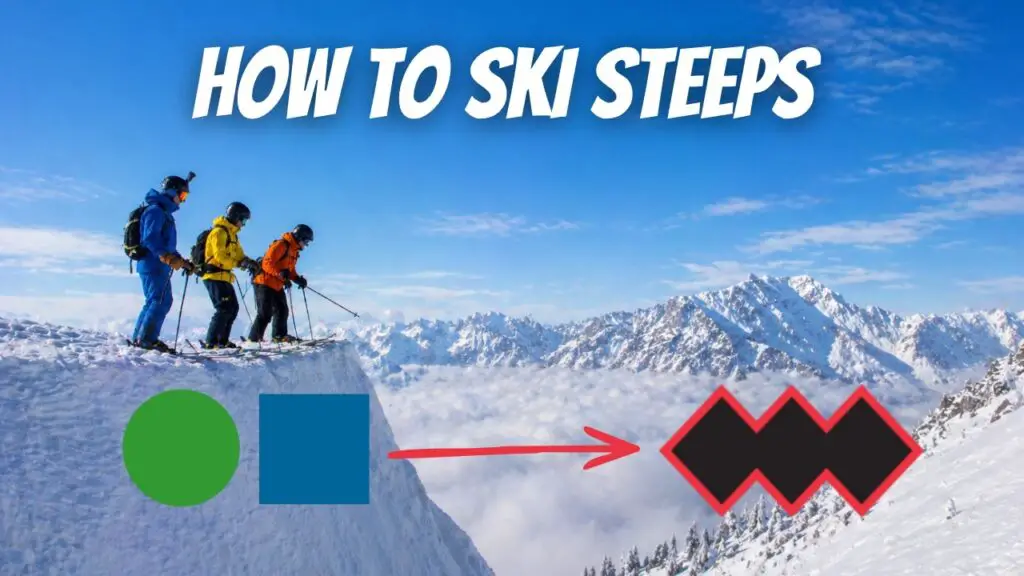
Going from green runs to extreme terrain isn’t about waking up one morning, feeling like you’ve got bigger balls than yesterday and pointing your skis down something terrifying. The result probably won’t be pretty. It’s a progression. You build your skills, get comfortable on more challenging terrain and learn how to handle the fear that comes with standing above something steep. You also learn to recognize when the conditions or the lines aren’t right for you.
I love steep skiing, but I don’t ski every line I look at. There are things other skiers do that I leave alone, and there are days when I avoid runs I’d happily ski in better conditions.
If you want to progress into this kind of terrain, here’s how I approach it.
Table of Contents
1. Have Your Fundamentals Dialled
Before you start thinking about extreme terrain, you need to be extremely comfortable skiing advanced and expert runs. That’s the bottom line. If you can’t ski those runs with control, speed and confidence, keep levelling up before adding bigger consequences. And I mean actually skiing them. Getting down a steep run without really making turns isn’t the same as being ready to move beyond it. There’s nothing wrong with using defensive techniques when you need them, but surviving a run doesn’t mean you’ve skied it. Build the foundations first. Get comfortable turning, controlling your speed and adjusting to different snow. Those are the skills you’ll take with you when the terrain gets more aggressive.
2. Be Honest and Leave Your Ego Behind
There’s a reason you see many skiers hitting cliffs and skiing lines I don’t attempt. I know those things are outside my wheelhouse. Could I maybe stomp some of them? Probably. But “probably” isn’t good enough for me when the consequences are real. I don’t need to ski something just because somebody better than me made it look possible. Before I commit to a line, I want to be able to picture myself skiing it using skills I already have. Where would I turn? How would I control my speed? What would I do in the tight section? If I can’t work through that, I’m not going to rely on figuring it out halfway down. That doesn’t mean I feel no nerves. You can be nervous and still know you have the ability. But hoping you’ll pull it off and understanding how you’ll ski it are two very different things.
3. Progress Gradually
Don’t go from zero to a hundred. Pick terrain that gradually increases the challenge rather than immediately jumping into the steepest, tightest thing you can find. Start with short, open pitches where you have room to turn across the hill. Get comfortable with the gradient, then build toward longer steep sections and more technical terrain. Tight couloirs and lines above cliffs shouldn’t be your introduction to steep skiing. Exposure changes the whole equation. When you’re learning, choose terrain with lower consequences and a clear runout. A fall can still be dangerous on an open slope, especially when it’s firm, but you don’t need to add cliffs and obstacles to the learning process. Play around on manageable terrain features. Repeat runs. Learn how they feel in different conditions. That’s how you build confidence that sticks.
4. Don’t Choose Your Hardest Line When You’re Cooked
Fatigue is dangerous. If your legs are already giving up, that’s a terrible time to decide you’re ready for the most demanding run of the day. Steep skiing asks a lot of you. You need your balance, your reactions and the ability to make the movements you planned. Being tired can turn something manageable into a struggle pretty quickly. Listen to your body. “One more couloir” isn’t a good reason to ignore the fact that you can barely make a turn on the way there. Take aggressive terrain seriously, and give it the energy it deserves.
5. Learn to Manage Fear
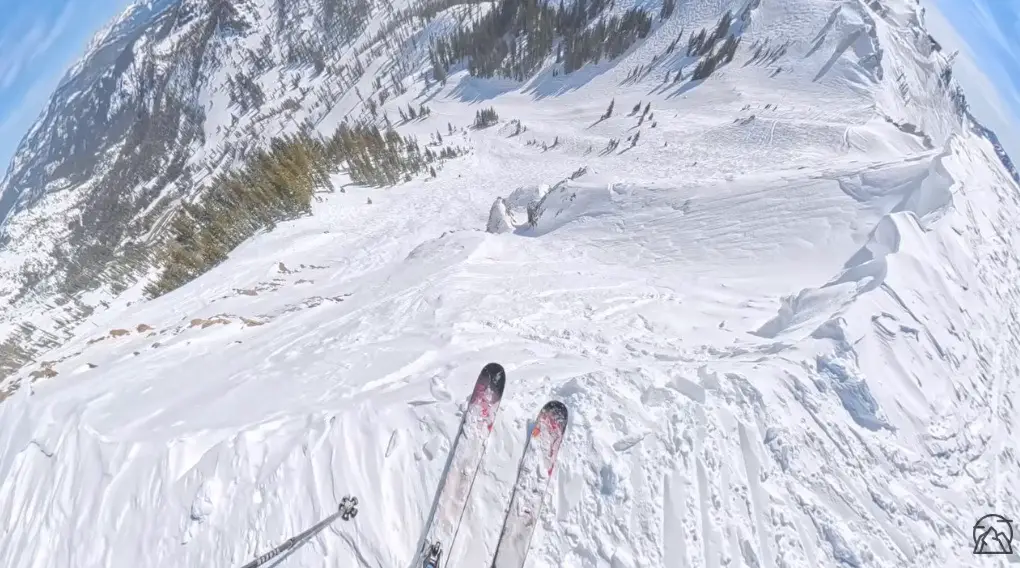
Steep terrain can feel uncomfortable. That doesn’t automatically mean you lack the skills to ski it. Sometimes the problem is that you have the ability, but fear stops you from using it. The goal isn’t to pretend you’re fearless. It’s to manage the nerves well enough to make a clear decision and then focus on what you’re doing. I find it much more useful to think about the turns I’m going to make than stand there repeating “don’t fall.” Give yourself something specific to focus on. If you’re so overwhelmed that you can’t think through the line or make the movements, step back and build confidence somewhere more manageable. You don’t have to eliminate every bit of fear before progressing. But you do need to understand the difference between nerves and being genuinely out of your depth.
6. Conditions Matter
Choose good conditions for your first attempts at steeper terrain. Hardpack and ice can make a line dramatically harder than it would be in softer snow. Entrances, steep sections and choke points can be scraped out, wind affected or different from the snow around them. Don’t assume a nice-looking slope means every part of the descent will feel the same. Before committing, pay attention to what you can see and hear. Watching somebody ski or listening to their edges can give you clues about the surface. Feeling accessible snow with your pole can help too, although none of that tells you everything about the line or its snowpack. If you’re already nervous about the terrain, you don’t need to be the person discovering every hidden problem with the first track. Some days you’re ready for the line, but the line isn’t ready for you.
7. Be Willing to Back Off
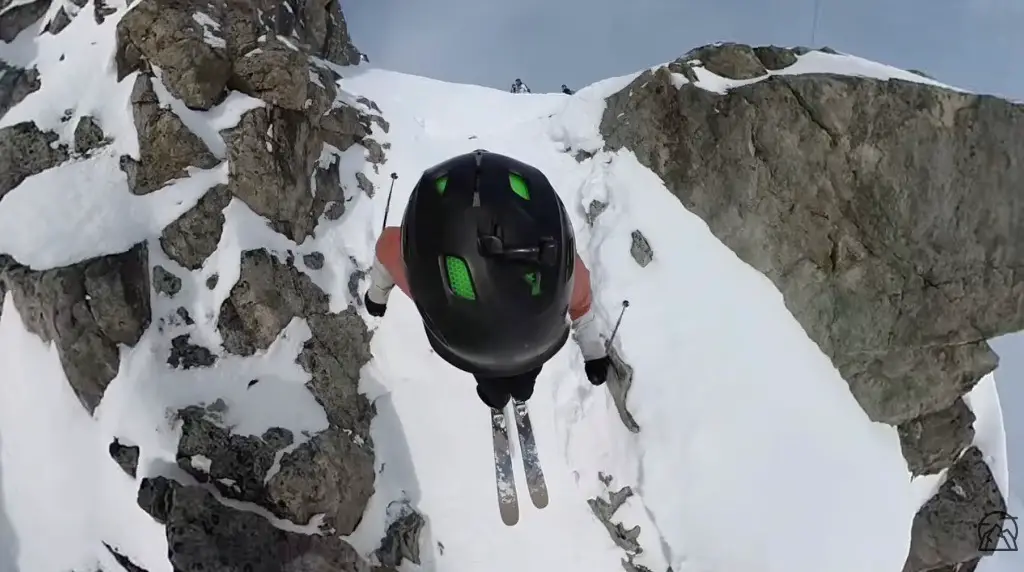
There are plenty of days when I don’t touch steep runs because the conditions are bad. A run I enjoy in good snow can become a completely different proposition when I can’t hold an edge. Backing off isn’t something you graduate out of as you get better. It’s part of making better decisions. You’re allowed to look at a line and decide it isn’t worth it today. You don’t owe the mountain a descent because you rode the lift up or told a friend you wanted to try it. Go ski something fun and come back when the situation makes more sense.
8. See It Before You Ski It
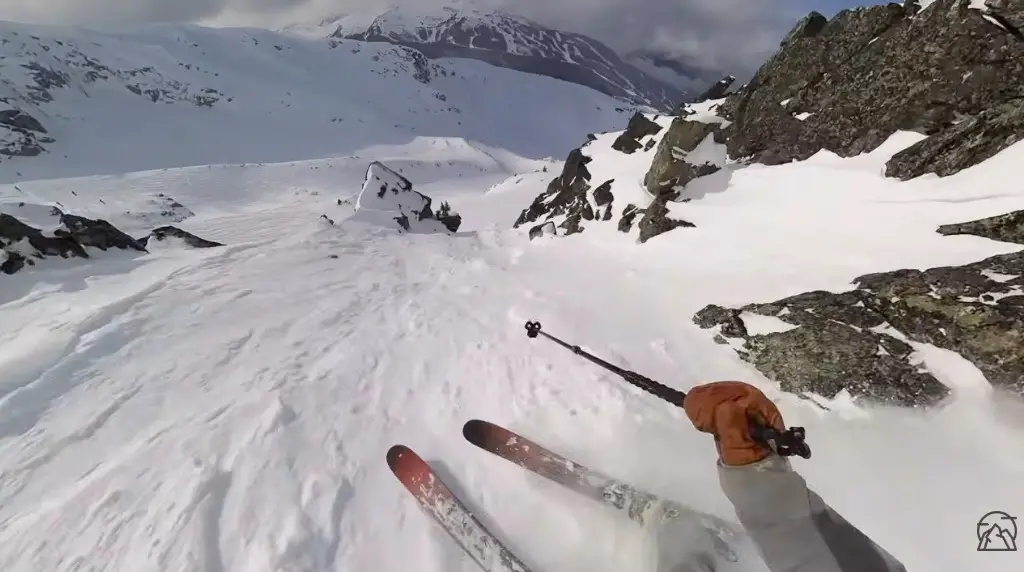
Before skiing a line with dangerous sections or exposure, understand what you’re getting into. See it before you ski it. Where are the choke points? What’s below them? Where can you turn, and where will you have less room? Is there a section hidden from the entrance? Scoping the line helps you decide whether it matches your ability. It also stops you from dropping into something that looks manageable at the top and discovering a very different situation lower down. And don’t use YouTube as your steepness gauge. POV footage can make a run look nothing like it feels when you’re standing above it. An Insta360 isn’t a substitute for seeing the terrain and assessing it yourself.
9. Visualize Your Line
Once you understand the terrain, picture how you’ll ski it. Where will your turns go? Where will you slow down? How will you connect the sections? This is where the honesty part comes back in. I want to visualize movements I know I can make, rather than imagine myself suddenly skiing like somebody else. Even a plan for three turns can help. Decide where you’re going to go and where you can stop to reset. Focusing on what you’ll do gives your brain a better job than endlessly imagining what could go wrong.
10. When It’s Go Time, Focus on the Plan
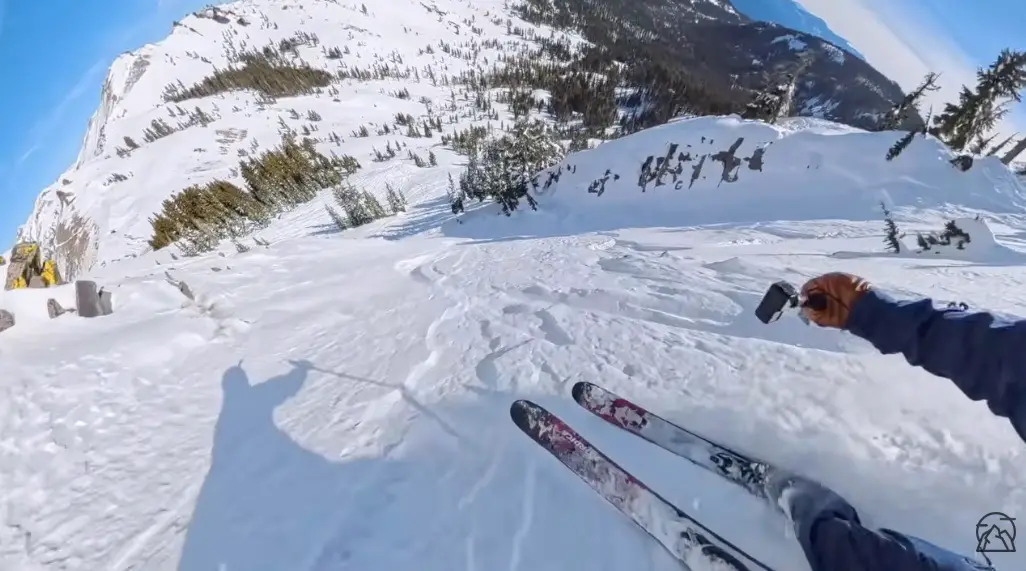
There comes a point where you’ve assessed the line, considered the conditions and decided it fits your ability. Now you need to concentrate on the skiing. You don’t have to charge. Take thoughtful turns and use the space available. Skiing deliberately is a much better result than getting halfway down too fast and hoping the rest sorts itself out. Keep the plan simple enough to execute. You can reassess as you go, but don’t drop in without an idea of how you’ll manage the first section.
11. Follow Someone Who Understands Your Level
Skiing with someone better than you can be a great way to progress, especially when they know the mountain and can help choose terrain that matches your skills. Mother Alpine and Laura enjoy challenging themselves when I’m around because I can help them work out where to go and talk through what’s ahead. That support can make unfamiliar terrain feel much more manageable. The important part is that the person understands your ability and risk tolerance. Following someone down their favourite extreme run isn’t automatically helpful. They need to choose something appropriate for you and explain it clearly. Watch how they ski, listen to their advice and ask questions. Having someone show you the route can remove a lot of uncertainty, but you still need to feel comfortable with the decision yourself.
12. Sideslipping Is a Tool
Sometimes you need to sideslip through a section or move down to a gradient where you feel comfortable making a turn. That’s a legitimate tool. Yeah, sideslipping isn’t glamorous. And yeah, somebody might complain that you’re scraping the snow they wanted to ski. But their powder preferences aren’t more important than you staying in control. Use it when appropriate, while paying attention to people below you. The key is having practised the movement already, rather than discovering on a steep pitch that you can’t control it on firm snow. There’s no shame in choosing a defensive movement when that’s what the situation requires it. Just do not dive into a line if your plan is to sideslip the whole way down. That’s not skiing, and you’re clearly not ready. But use slipping as a defensive tool if you accidentally get in over your head.
13. Practise More Than One Way to Move
Steep skiing isn’t only about linking normal turns. You may need to sidestep, traverse or reposition before you can continue. Get comfortable manoeuvring in your skis on manageable pitches. Sometimes you need to move up or across a short section to get out of an awkward spot. Those movements deserve practice too. Step turns and jump turns can also become useful tools, depending on the terrain and conditions. Build them into your skiing somewhere appropriate before expecting them to work in a tight, consequential section. The more options you genuinely have, the less likely you are to feel stuck when the line asks for something different.
14. Give the First Turn a Plan
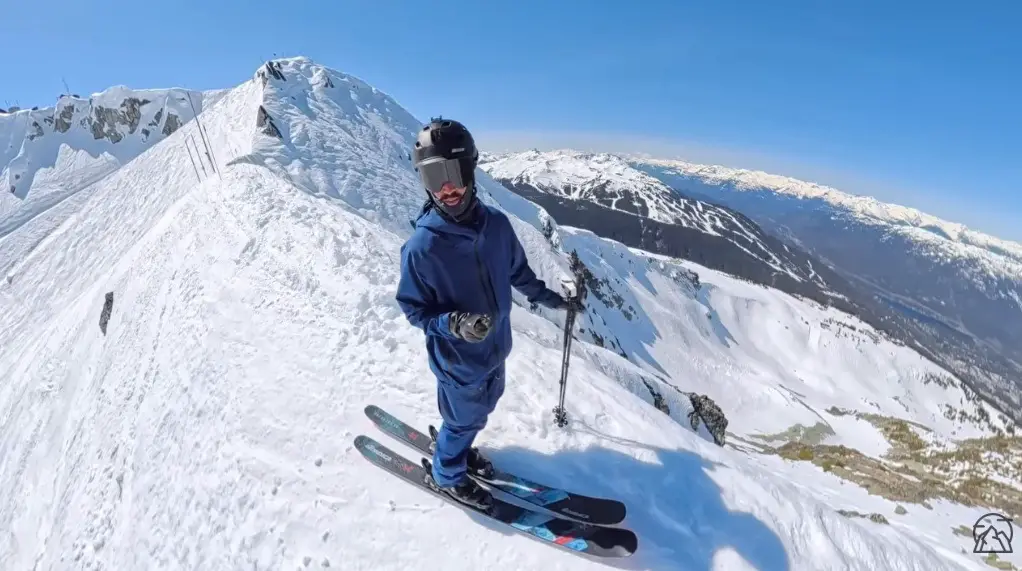
The first turn can feel like the hardest. You’ve been standing there looking down, thinking through the run and letting the nerves build. Now you have to move. A little controlled movement can make turn initiation feel easier than trying to force everything from a completely static position. Practise that feeling on terrain where you’re comfortable, rather than treating extra speed as the answer to an intimidating entrance. Know where the first turn is going and what comes after it. Once you’re moving, you may find yourself settling into the skiing, but there’s no need to rush the start.
15. Don’t Get Backseat
When you’re nervous, leaning back can feel like the natural response. But getting backseat makes it harder to control your skis and link the next turn. Stay centred and work with your edges. If you need to carry a little movement into the next turn, sitting back can leave you struggling to keep up with your skis. It’s also possible to lean too far into the hill. You’re looking for balance and useful edge control, not simply trying to get your body as far away from the slope below as possible. Build that feeling on easier terrain so it’s available when the pitch gets steeper.
16. Have an Escape Plan
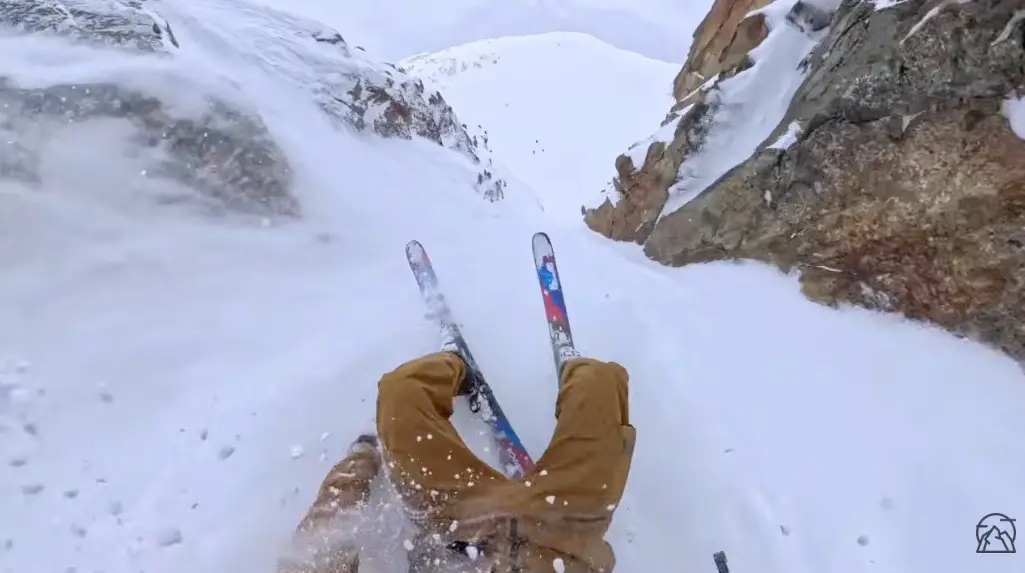
Before skiing a section, think about where you can stop, take a breath or change the route if necessary. Is there an actual bailout, or are you committing to the whole line. Don’t assume you can always climb back out. Repositioning on steep, icy terrain can be difficult, so understand your options before relying on them. Also consider what a fall would mean. On steep, firm snow, stopping a slide may be difficult or impossible. That needs to influence your choice of line before you drop in, rather than become something you hope to solve afterwards. Knowing where you’re going and what options remain is part of staying ahead of the terrain.
17. Take It Turn by Turn
Once you’re skiing, focus on the movement you’re making and the next part of the plan. You don’t need to mentally ski the entire mountain in one go. A manageable rhythm can help you settle in. Steep skiing doesn’t need to look like perfect carving. It needs to be controlled and suited to what’s in front of you. If you need to pause somewhere appropriate and reset, do it. Then work through the next section. Good steep skiing involves thinking ahead without becoming overwhelmed by everything at once.
18. Choose the Turn for the Terrain
An open pitch gives you more room to turn across the hill. A tighter section may call for shorter turns or practised jump turns. Sometimes a controlled sideslip gets you to a better place to initiate the next turn. The width, gradient and snow all affect that choice. Don’t force one turn shape everywhere just because it works on your favourite run. There are no bonus points for making it look aggressive. Use the technique that lets you control your speed and direction, and keep adapting as the terrain changes.
Progression Is About More Than Sending
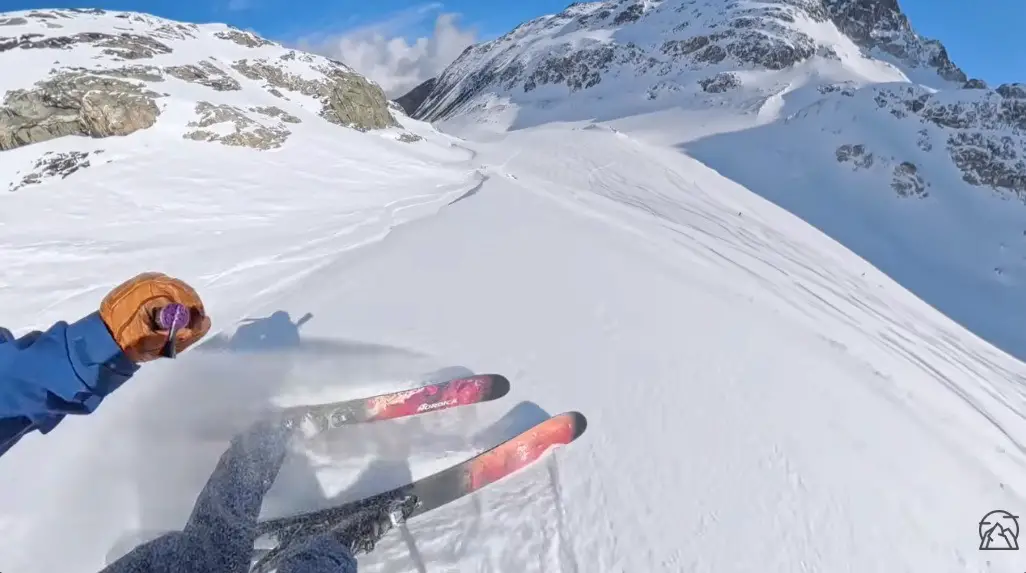
Extreme terrain isn’t only about skill. It’s about choosing the right line, in the right conditions, for your level, and then using the skills you’ve built.Be honest, progress gradually and learn how to manage the fear. Scope what you’re skiing, make a plan and give yourself practical tools for getting through it.You don’t need to become a completely different skier overnight. Keep building, one manageable challenge at a time, and enjoy the progress.
What’s helped you become more comfortable on steep terrain? Let me know.
Stay Spicy!
Would you rather watch instead of read. Do It! https://youtu.be/k4_hRk1yPNM?si=nJtg8jOXcRKD_Bkt
Stickrbottle: https://www.stickrbottle.com/
Ski Sauce: https://www.skisauce.com/